
“The Life-Saving Power of Vaccines”
Prof. Dr. Tuğba Sarı, faculty member of Pamukkale University (PAU) Hospitals, Department of Infectious Diseases, emphasized in her statement made within the scope of Public Health Week that vaccination is of vital importance for both individual and public health.
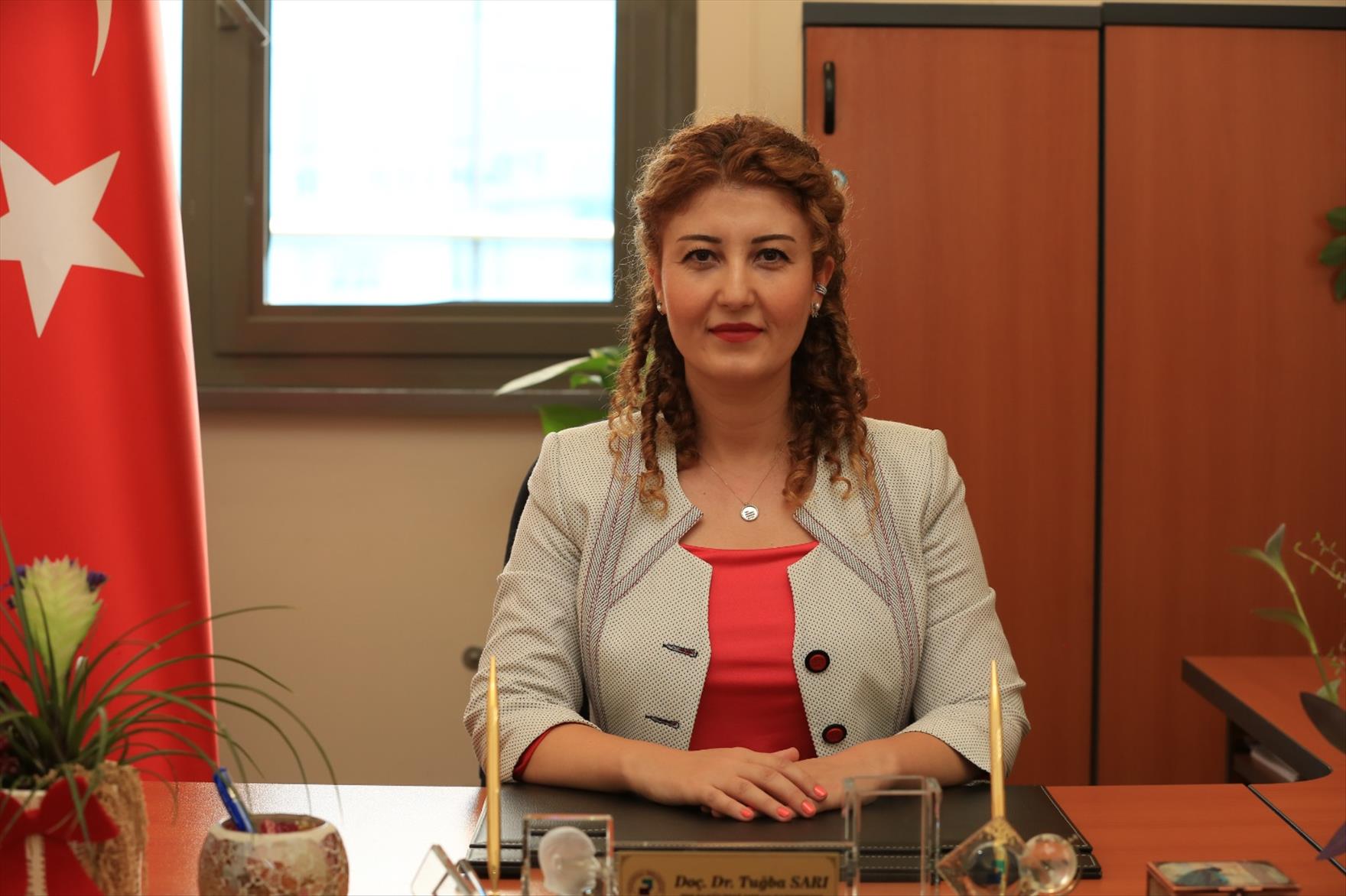
In her statement, Prof. Dr. Tuğba Sarı, faculty member of PAU Hospitals, Department of Infectious Diseases, shared the following information:
“Vaccination is not only a personal choice, but also a responsibility toward the entire society. The power of vaccines in preventing epidemics is extremely high. Thanks to vaccines, 2–3 million deaths are prevented each year. Smallpox was completely eradicated from the world through vaccination campaigns. Polio cases dropped from 350,000 in 1988 to 70 in 2015. The last case in Turkey was seen in 1998. Measles-related deaths decreased by 79% between 2000 and 2014. These data prove that vaccines are not only a preventive measure but also one of the greatest health achievements in human history. One of the greatest benefits of vaccination is the creation of herd immunity. When a sufficient part of society is vaccinated, at-risk groups who cannot be vaccinated (the elderly, people with chronic illnesses, those with allergies, or pregnant women) are also protected from diseases. When vaccinations are not administered, the risk of epidemics increases. Unfortunately, the rise of anti-vaccination may cause diseases that were previously brought under control to re-emerge.”
Prof. Dr. Tuğba Sarı: “Adult Vaccines Also Improve Quality of Life”
Referring to the fact that more than 3,500 adult vaccines are administered annually at Pamukkale University Faculty of Medicine Adult Vaccination Outpatient Clinic, Prof. Dr. Sarı continued her words as follows:
“For the prevention of serious illnesses and deaths in individuals with chronic diseases and in those over 65 years of age, flu and pneumonia vaccines should be administered in line with physicians’ recommendations. Those who are missing measles, rubella, mumps, and chickenpox vaccines should complete their vaccinations. Hepatitis vaccines (A and B) are vaccines that should be administered to every adult who has not had the disease and is not immune. In addition, meningitis vaccination can be administered at the adult vaccination outpatient clinic for travelers and risk groups. The cervical cancer vaccine and shingles vaccine for people over the age of 65 can also be administered optionally. Although awareness of adult vaccinations is lower compared to childhood vaccinations, the increasing number of adults vaccinated each year is an indication that our society is becoming more conscious about this issue. Vaccination is more than just an individual choice; it is a responsibility toward ourselves, our families, and the entire society. It is of great importance that everyone, especially healthcare workers, becomes aware of this and strengthens herd immunity. Remember that by getting vaccinated, you can protect not only your own health but also the health of your loved ones and the whole society.”