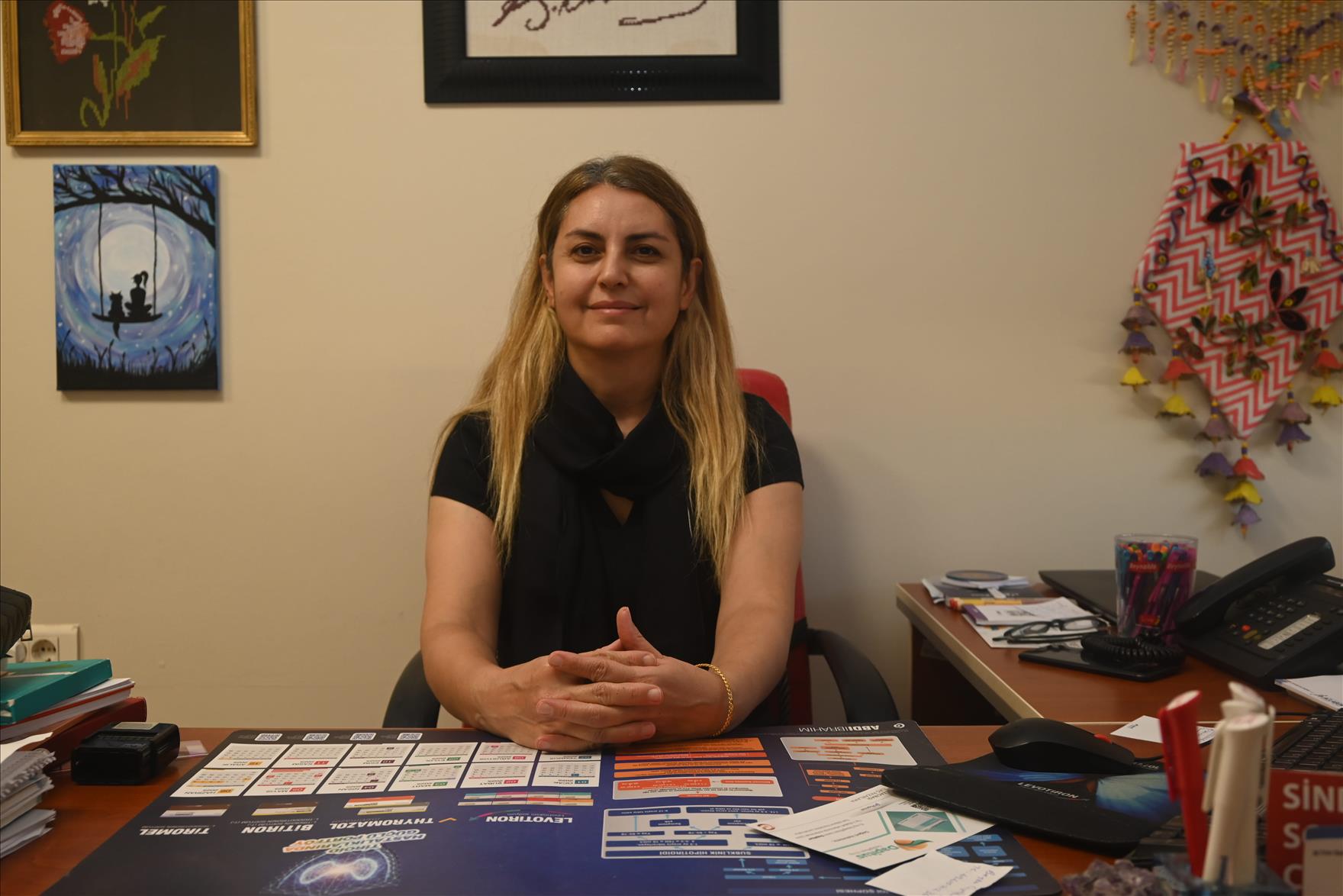
In her statement, Prof. Dr. Şenay Topsakal, Faculty Member of the Department of Endocrinology and Metabolic Diseases at PAU Hospitals, emphasized the following: “The month of Ramadan is a time of spiritual purification and unity. However, for individuals with chronic diseases such as diabetes, heart disease, and hypertension, fasting may pose serious health risks if not properly planned. In particular, diabetes patients should make the decision to fast only under medical supervision. When a person with diabetes remains hungry for a long time, blood sugar levels may drop (hypoglycemia) or rise excessively (hyperglycemia) due to nutritional mistakes made at iftar and sahur. Especially in patients with Type 1 diabetes, life-threatening conditions such as diabetic ketoacidosis (insulin deficiency) may develop. In addition, prolonged dehydration may strain the kidneys and lead to fluid loss. Therefore, fasting is not safe for every diabetes patient. Patients whose blood sugar is well controlled through diet and exercise, who have no organ damage, who generally have had Type 2 diabetes for a short period, and who use a single oral medication dose may try fasting after obtaining physician approval and having their medications adjusted. A medical check-up at least 1–2 months before Ramadan is essential. On the other hand, fasting poses serious risks and is not recommended for Type 1 diabetes patients using insulin, those requiring multiple daily insulin doses, patients with gestational diabetes, those with poor blood sugar control, individuals experiencing frequent hypoglycemia, patients with kidney, eye, or nerve damage, and diabetes patients engaged in heavy physical labor. Islam also does not consider endangering health to be appropriate.”
Prof. Dr. Topsakal stated: “Diabetes patients should not decide to fast on their own; they must make this decision together with their physician.”
Prof. Dr. Şenay Topsakal also noted: “For patients who are permitted to fast, sahur is indispensable. I definitely do not recommend fasting without waking up for sahur. At sahur, complex carbohydrates such as whole grains, oats, and bulgur should be preferred instead of white bread and sugary foods; protein sources such as eggs, cheese, yogurt, milk, and walnuts should definitely be consumed. Excessively salty and spicy foods should be avoided, and adequate water intake should be ensured. At iftar, sudden and excessive eating is the biggest mistake. After breaking the fast with one or two dates and water, taking a short break and then continuing with soup is healthier. Main dishes should include grilled, boiled, or baked meat, chicken, or fish; plenty of salad; and small amounts of complex carbohydrates. Pastries, fried foods, and syrup-based desserts should be avoided; if dessert is to be consumed, light milk-based options and small portions should be preferred. Adequate water should be consumed between iftar and sahur, and small, healthy snacks may be eaten to balance blood sugar. If blood sugar falls below 70 mg/dl or rises above 300 mg/dl during fasting, the fast must be broken. Symptoms such as sweating, trembling, and dizziness should be taken seriously. Measuring blood sugar does not invalidate the fast; measurements should be taken at iftar and sahur, and medication and insulin doses should be adjusted according to the physician’s recommendations. It should not be forgotten that health comes before everything else,” she said.