
Patient Safety Is Not a Choice, It Is a Necessity
Prof. Dr. Hakan Alkan, Chief Physician of Pamukkale University (PAU) Hospitals, provided information on September 17 Patient Safety Day, emphasizing the importance of patient safety in healthcare services.
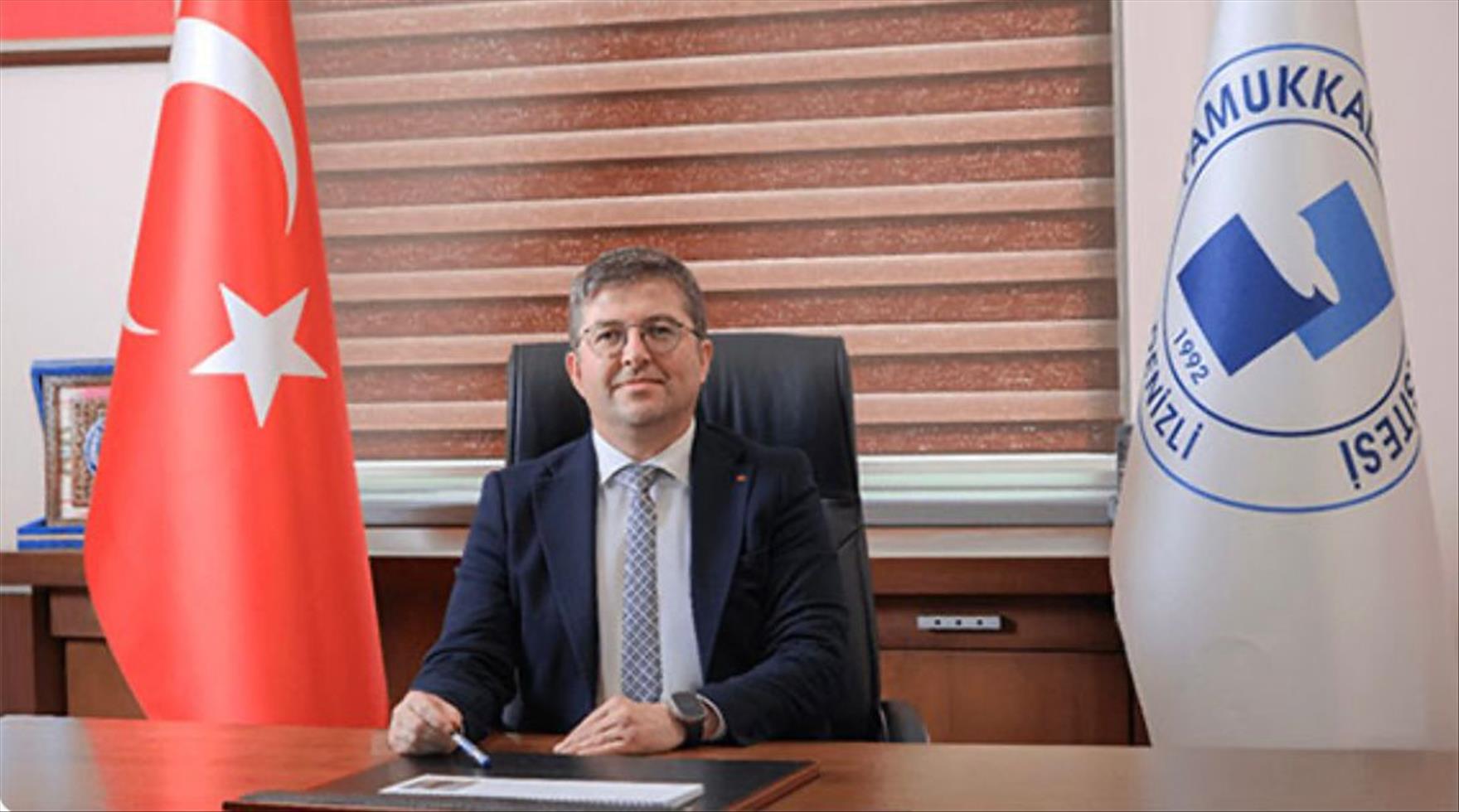
Prof. Dr. Hakan Alkan, Chief Physician of PAU Hospitals, shared the following information in his statement:
“At Pamukkale University Hospitals, in line with our patient-centered service approach, raising awareness about ‘Patient Safety,’ one of the indispensable elements of healthcare services, is among our priorities. Patient safety encompasses all measures, practices, and systems implemented to prevent harm to patients during the delivery of healthcare services. It includes not only reducing medical errors but also ensuring a safe treatment environment, minimizing risks, and providing the highest quality care to patients. The World Health Organization defines patient safety as ‘the prevention of avoidable harm to patients and the reduction of risks associated with healthcare to an acceptable minimum level,’ highlighting that unsafe healthcare can cause more harm than benefit during the treatment process.”
Prof. Dr. Hakan Alkan: “Patient Safety at PAU Hospitals Is Ensured in a Multi-Faceted and Systematic Way”
Prof. Dr. Hakan Alkan continued:
“Patient safety is not just a practice; it is the cornerstone of the entire healthcare system. The safe delivery of healthcare is vital for protecting both patients and healthcare workers. Patient safety reduces life-threatening risks, enhances treatment quality, establishes public trust, and also safeguards healthcare personnel. Every patient is unique, and every treatment process is individual. Safety lies at the heart of healthcare services, and patient safety is an integral part of healthcare quality.
At Pamukkale University Hospitals, patient safety processes are implemented under my supervision as Chief Physician, in accordance with Healthcare Quality Standards (SKS) and relevant legislation, together with Quality Director Assoc. Prof. Dr. Atakan Yılmaz, the Quality Management Unit, department quality officers, committee chairs and members, and all staff.
Comprehensive measures are taken in areas such as medication safety, infection control, blood transfusion, identity verification, safe surgical practices, fall prevention, information security, incident reporting, risk management, and root cause analysis. Continuous training is provided to healthcare staff, and patients and their relatives are regularly informed.
Specialized units such as Hemovigilance, Hazardous Material Safety, Radiation Safety, Nutrition, Organ Transplant, Apheresis, and Bone Marrow Transplant actively contribute to these processes. In addition, the undesired event reporting system is actively used, and improvement initiatives are implemented based on data obtained from periodic audits.”