
Community Mental Health Centers Support Patients’ Participation in Social Life
Hidayet İmançlı, Psychologist and Case Manager at Pamukkale University (PAU) Hospitals and Community Mental Health Center (CMHC), made a statement about the objectives and activities of Community Mental Health Centers, which enable individuals with severe mental disorders to integrate into society.
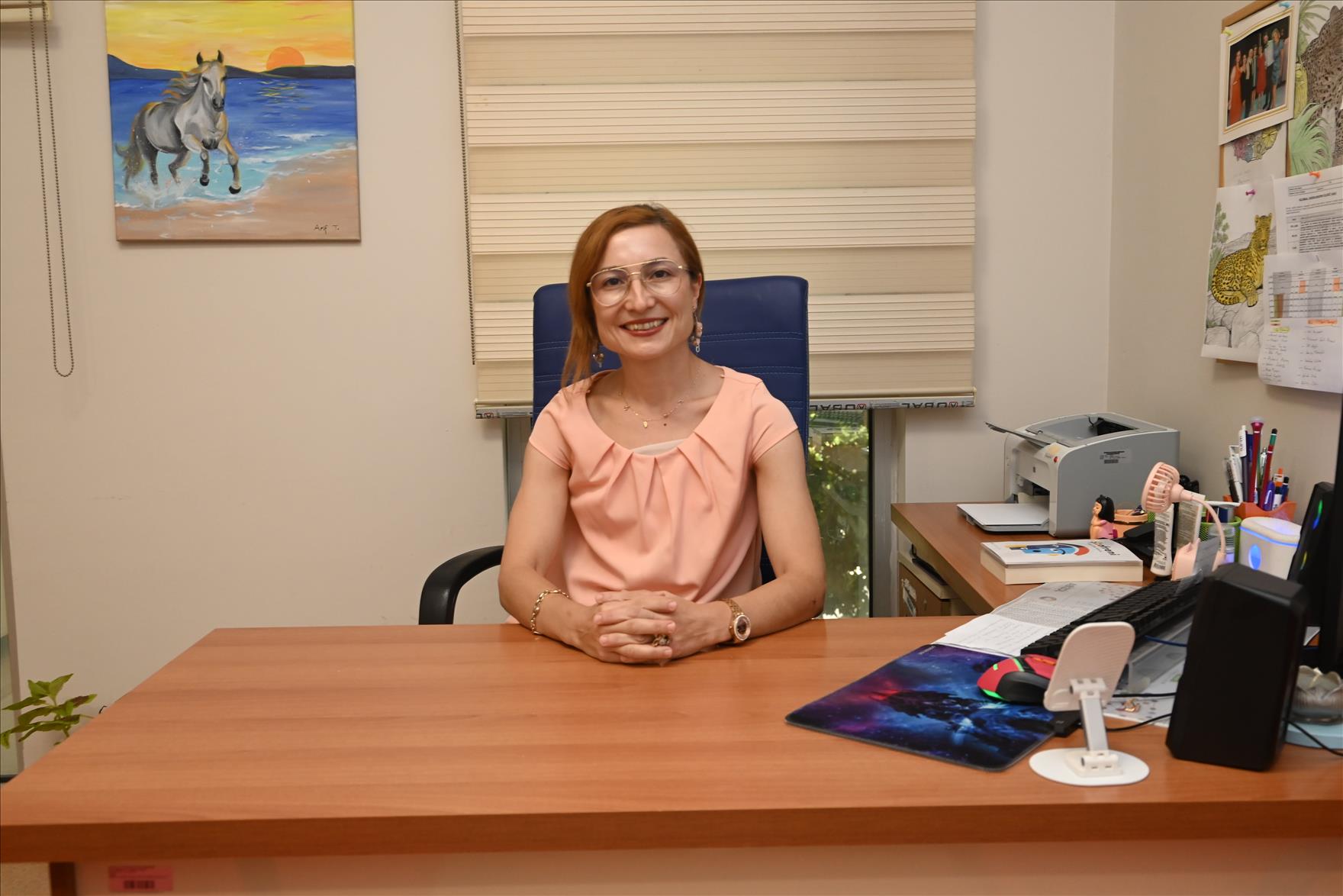
In his statement, PAU Hospitals Psychologist and CMHC Case Manager Hidayet İmançlı shared the following information:
“Within the framework of the community-based mental health model, it is aimed to provide psychosocial support services to individuals with severe mental disorders such as psychotic disorders and bipolar affective disorders, to monitor them, and to continue treatments in integration with home healthcare services when necessary. Community Mental Health Centers are psychotherapy and social inclusion centers that aim to integrate individuals with severe mental illnesses such as schizophrenia and bipolar disorder into society. The purpose of these centers is to help patients acquire mental and social skills, enable them to take part in social life, and support them in maintaining their own lives. In this way, it is aimed for patients to live together with society without being excluded from it.”
Psychologist Hidayet İmançlı: “CMHCs aim to integrate individuals with severe mental disorders into society.”
Psychologist Hidayet İmançlı said:
“At the centers, it is regularly monitored whether patients take their medication properly, at the right time and dose, and whether there are any side effects. For patients who cannot attend the center, home visits are conducted by contacting them and their relatives; during these visits, pharmacological treatments are planned and patients are encouraged to participate in the center. In addition, patients whose conditions have relapsed for any reason and who may pose a risk of harm to themselves or others are referred to inpatient psychiatric clinics by contacting the relevant units. Furthermore, psychoeducation is provided to patients and their relatives, social skills training is implemented for eligible patients, occupational therapy programs are arranged according to personal characteristics and interests, and open and closed group therapies are organized. Awareness-raising activities are carried out through local administrations and media, and anti-stigma efforts are maintained. In addition, patients’ needs for hospitalization, care, or employment are met in cooperation with the relevant institutions.”