
Critical Warning from PAU Hospitals on Headache Week
Pamukkale University (PAU) Hospitals, through the Department of Neurology, Faculty Member Assoc. Prof. Dr. Nesrin Ergin, issued an informational statement during the International Headache Week, held from March 15–21, to raise public awareness.
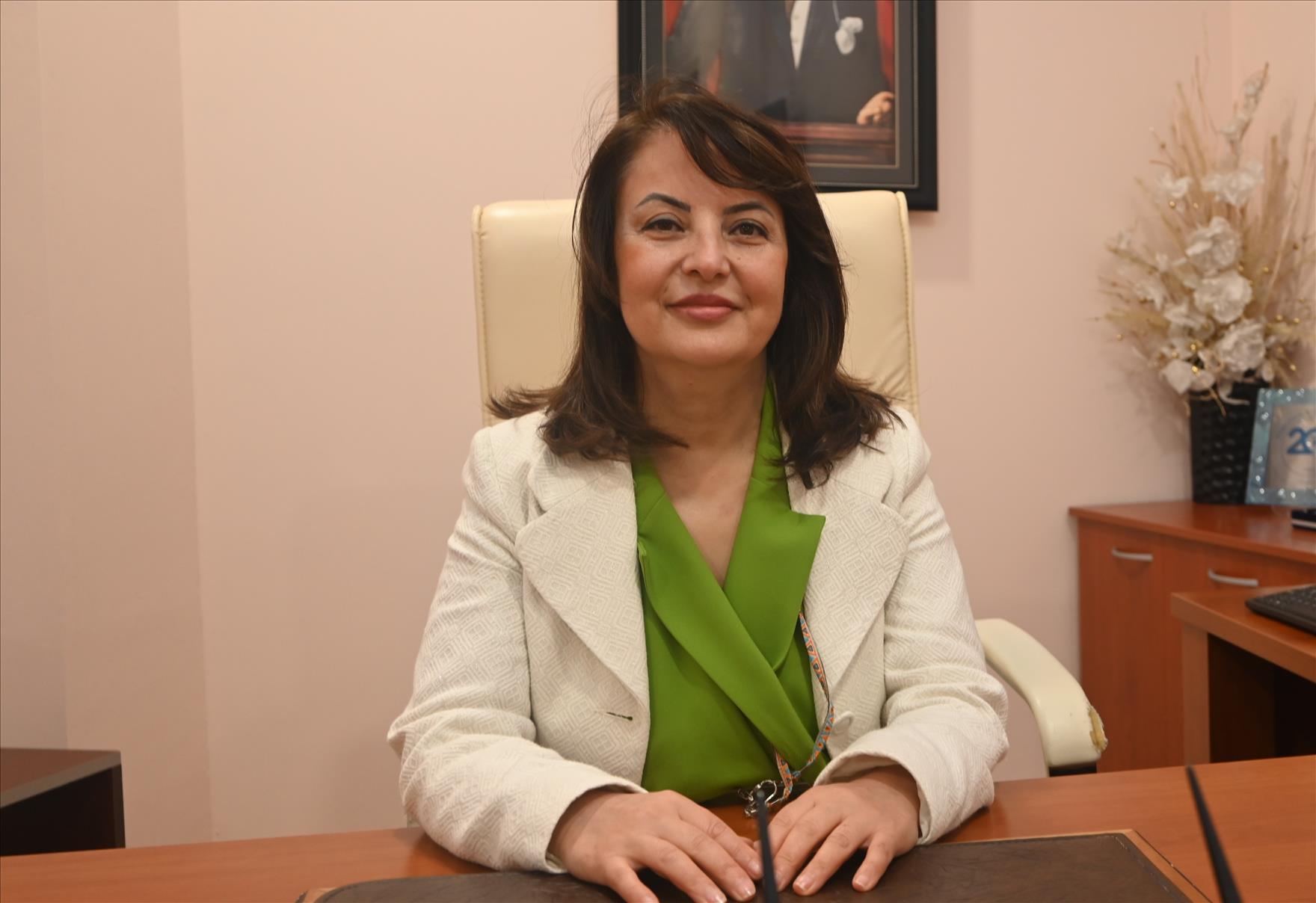
Assoc. Prof. Dr. Nesrin Ergin stated: “Headache is often perceived as a simple complaint; however, particularly in cases of migraine and tension-type headaches, it should be considered a neurological disorder that can significantly impact an individual’s quality of life. This widespread condition globally can lead to loss of work productivity, restrictions in social life, and increased psychological burden. Migraine is a complex brain disorder characterized by throbbing headaches, nausea, vomiting, and sensitivity to light and sound. In Türkiye, one in five women and one in ten men live with migraine. Due to its prevalence among young and productive populations, migraine emerges as a significant public health concern. While genetic predisposition plays a key role in the development of migraine, triggers such as stress, irregular sleep, fasting, hormonal changes, and environmental factors can provoke attacks. Therefore, treatment approaches should include not only medication but also lifestyle adjustments and trigger management. Accurate diagnosis is crucial to prevent unnecessary tests and to initiate appropriate treatment early. Headaches that begin suddenly, increase in severity, or exhibit unusual characteristics require specialist evaluation.”
Assoc. Prof. Nesrin Ergin: “Headache Is More Than a Symptom”
Highlighting advances in headache and migraine treatment, Assoc. Prof. Dr. Ergin added: “With appropriate treatment methods, attack frequency and severity can be reduced in the majority of patients. Nevertheless, frequent neglect of headaches can lead to chronic conditions. International Headache Week emphasizes that headache should not be overlooked and that correct diagnosis and treatment can bring it under control. Raising public awareness, ensuring access to accurate information, and promoting scientific approaches are essential for a healthier future.”