
PAU Hospitals Statement on Salt Awareness Week
15.05.2026
Professor Dr. Belda Dursun, Head of the Department of Nephrology at Pamukkale University (PAU) Hospitals, made a statement on the occasion of May 11–17 Salt Awareness Week.
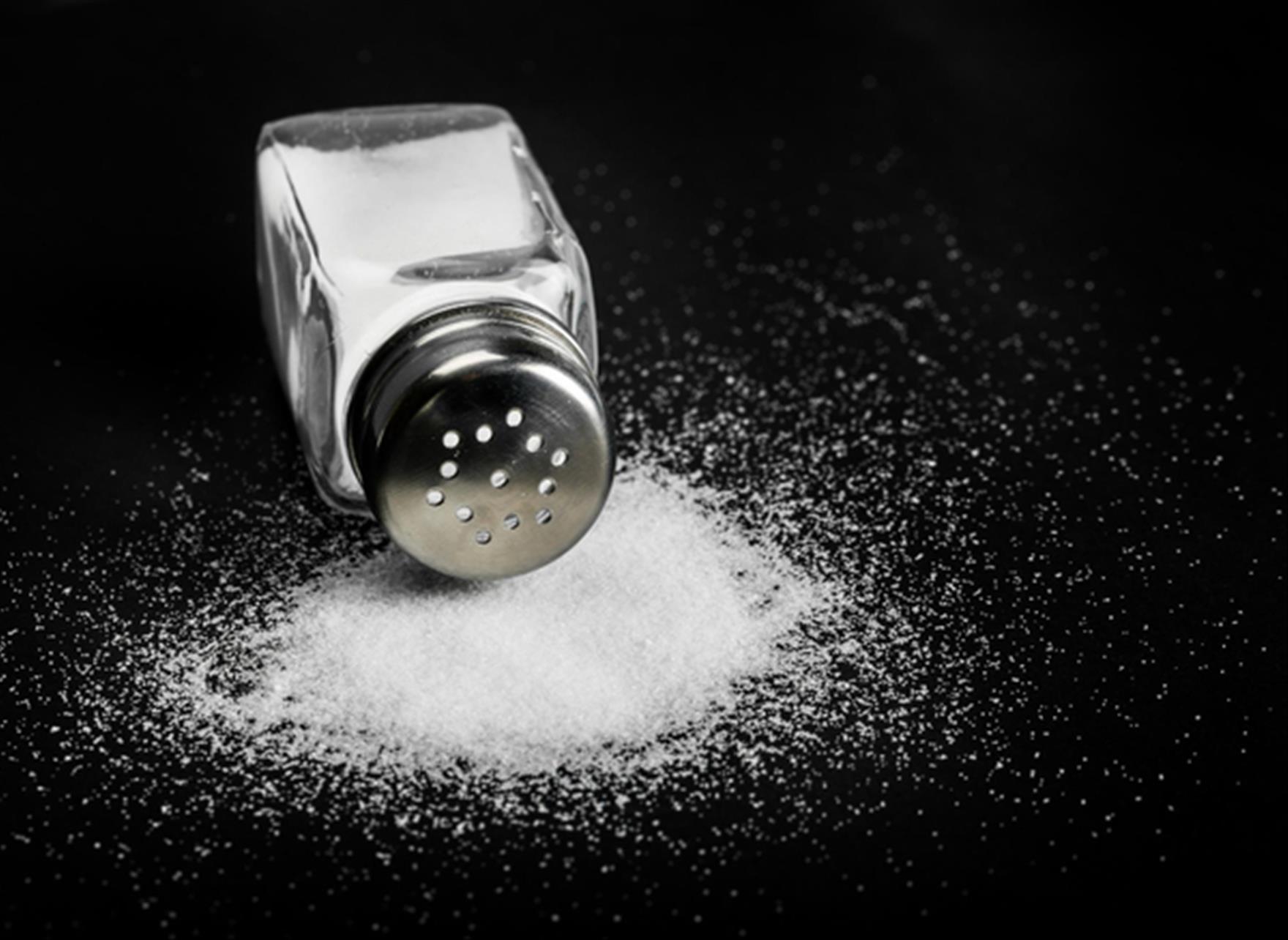
In her statement, Prof. Dr. Belda Dursun shared the following information: “This week, celebrated between May 11–17, 2026, is an important opportunity to draw attention to the health problems caused by excessive salt consumption. From the perspective of cardiovascular and kidney diseases, excessive salt intake is an important and preventable risk factor. Today, deaths related to chronic heart disease, hypertension, diabetes, and chronic kidney disease are widely seen worldwide. In the development of these diseases, unhealthy eating habits, obesity, smoking and alcohol use, and lack of physical activity play an important role. However, these risks can largely be reduced through lifestyle changes. Excessive salt consumption is also one of the modifiable unhealthy dietary habits. Salt is an essential mineral for the body, but when consumed above the recommended amount, it plays a role in the development and progression of many diseases. These include high blood pressure, cardiovascular diseases, stroke, kidney diseases, osteoporosis, and increased risk of some types of cancer. The World Health Organization recommends that daily salt intake should not exceed 5 grams (approximately one teaspoon). However, studies conducted in our country show that the average daily salt consumption is around 10–15 grams, which is well above the recommended amount. This situation demonstrates how important it is for society to reduce salt consumption. For a healthy life, instead of adding extra salt to meals, natural flavor enhancers such as onion, garlic, lemon, vinegar, and various spices should be preferred; consumption of processed foods such as salami, sausage, chips, canned products, instant soups, and pickles should be limited; food labels should be carefully read to check sodium content; individuals with chronic diseases such as hypertension should prefer low-salt or salt-free products; and salt shakers should not be kept on dining tables. In conclusion, reducing excessive salt consumption is a simple but highly effective public health approach in preventing many chronic diseases, especially cardiovascular and kidney diseases. By adopting a balanced diet and healthy lifestyle habits, these risks can be significantly reduced.”