
Statement from PAU Hospitals on World Blood Donor Day
Professor Nil Güler, Head of the Department of Hematology at Pamukkale University (PAU) Hospitals, stated in her message on World Blood Donor Day that a single unit of blood can give hope to more than one patient, emphasizing that voluntary and regular blood donation is an indispensable element of the healthcare system.
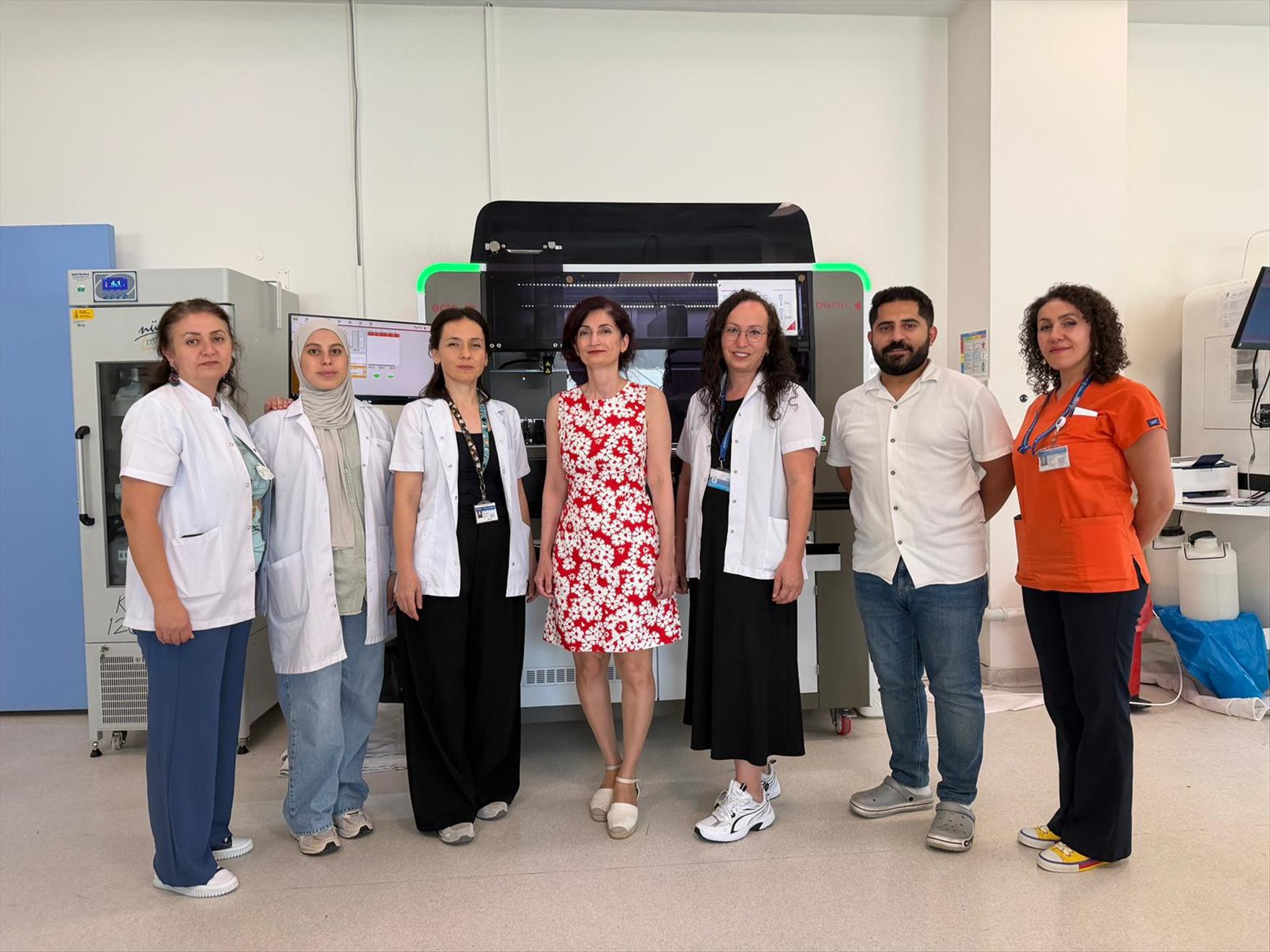
Professor Nil Güler, Head of the Department of Hematology at PAU Hospitals, made the following remarks:
“Blood donation is one of the most important tissue transplants that saves human lives. Since blood is a tissue, it cannot be fully produced in laboratory conditions with today’s technology; therefore, its only source is voluntary blood donors. This makes blood donation indispensable for the sustainability of healthcare services. Blood and blood products obtained from donors have specific storage periods. For this reason, regular and continuous donation is of great importance in order to meet blood demand without interruption. Blood donation is entirely based on voluntariness and is one of the most valuable contributions to public health. Individuals who donate blood directly contribute to saving the lives of patients in need and enabling their treatment to continue. Healthy individuals between the ages of 18–65 and weighing at least 50 kilograms are eligible to donate blood. Men may donate blood every 90 days, while women may donate every 120 days. However, in some cases, individuals may be temporarily ineligible to donate blood. These include the presence of febrile illness or active infection, recent antibiotic use, having undergone tooth extraction or surgical procedures, pregnancy and breastfeeding periods, and situations involving blood exposure risk such as tattooing or piercing within the past 12 months.”
Professor Nil Güler: “Blood donation is one of the most meaningful ways to bring hope to a human life by sparing just a few minutes of time.”
Drawing attention to medical conditions that permanently prevent blood donation, Professor Güler emphasized that individuals with a history of infectious diseases such as Hepatitis B, Hepatitis C, and HIV, as well as those with advanced heart, lung, or kidney diseases, are not eligible to donate blood. She continued:
“One of the most important issues in blood donation is that voluntary donors give blood at regular intervals. Thanks to regular donations, sufficient amounts of blood and blood products are kept ready for use at all times in blood centers. In cases where adequate blood stocks are not available, difficulties may arise in providing the blood needed for sudden illnesses, accidents, and emergencies requiring urgent intervention, which may lead to undesirable outcomes. Therefore, strengthening the awareness of regular and voluntary blood donation in our society is of great importance.”