
Statement from PAU Hospitals on Colorectal Cancer Awareness Month
Assoc. Prof. Dr. Utku Özgen, a faculty member of the Department of General Surgery at Pamukkale University (PAU) Hospitals, made a statement within the scope of Colorectal Cancer Awareness Month to draw attention to the importance of early diagnosis in society.
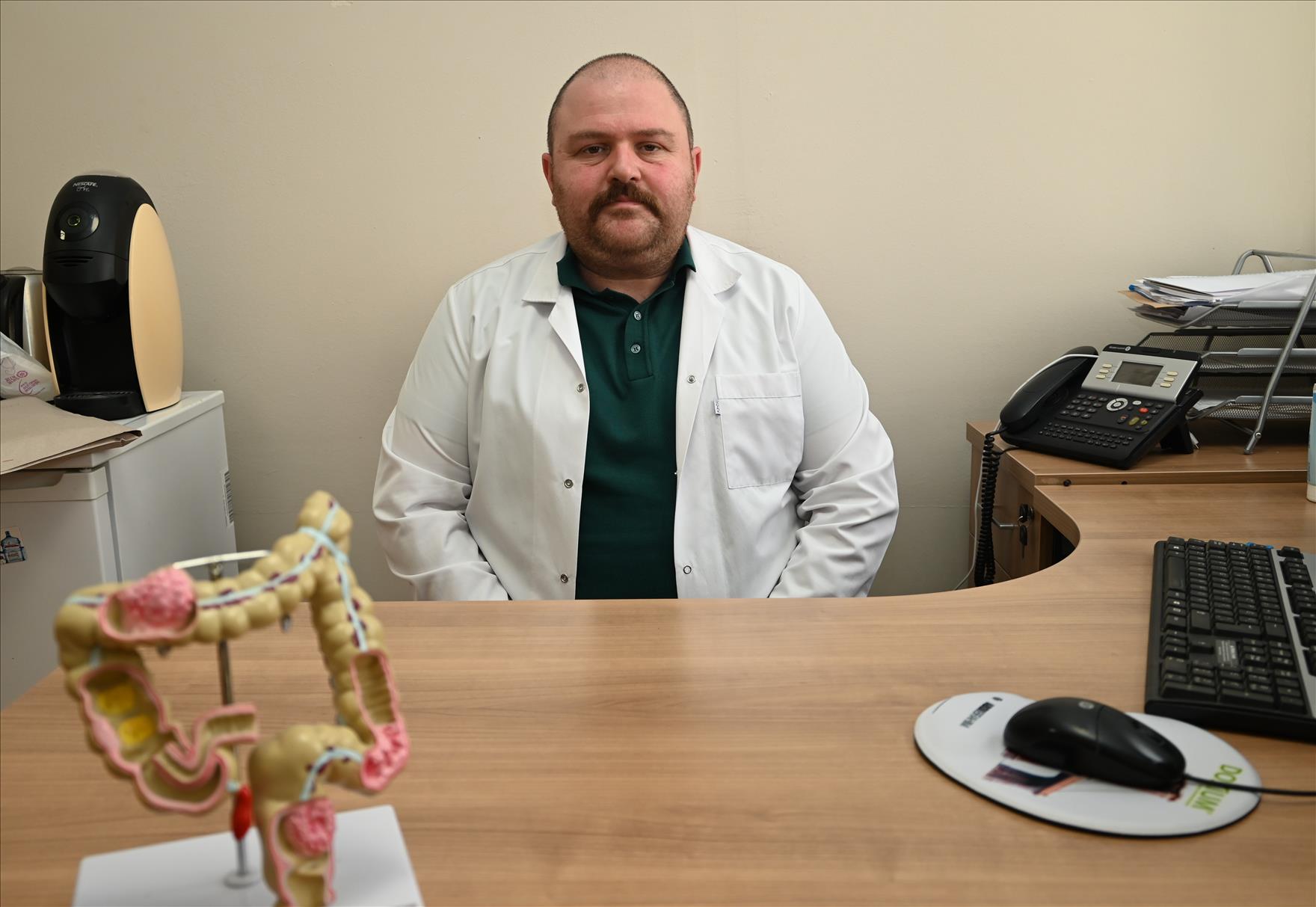
In his statement, Assoc. Prof. Dr. Utku Özgen noted the following: “We know that March 1–31 is colorectal cancer (colon and rectum cancer) awareness month. The data shared in this context show that approximately 1.9 million new colorectal cancer cases are diagnosed worldwide each year and that about 900,000 people lose their lives due to this disease. Colorectal cancer stands out as the third most common type of cancer in the world. The situation is similar in Türkiye; colorectal cancer is the third most common cancer type, and more than 20,000 new cases are diagnosed each year. Most cases occur in individuals aged 50 and over, and the disease increases significantly after the age of 50, most commonly seen in the 50–69 age group. The fact that the proportion of the population aged 65 and over in Türkiye has reached 9.5 percent indicates that the burden of colorectal cancer may increase in the coming years. When we examine the risk factors for colorectal cancer, we can consider them in two groups: non-modifiable and preventable. Non-modifiable risk factors include being 50 years of age or older, having a family history of colorectal cancer, hereditary syndromes such as Lynch syndrome (hereditary bowel cancer risk) and familial adenomatous polyposis (formation of numerous polyps in the intestine), long-term inflammatory bowel diseases, and having previously been diagnosed with colon polyps (small fleshy growths in the intestine) or colorectal cancer. Preventable risks include obesity (excess weight), physical inactivity, consumption of processed and excessive red meat, low-fiber diet, smoking, excessive alcohol consumption, and Type 2 diabetes. Engaging in regular physical activity, maintaining a diet rich in vegetables and fruits, and quitting smoking significantly reduce the risk.”
Assoc. Prof. Dr. Utku Özgen: “Do not neglect changes in bowel habits.”
Regarding screening, Assoc. Prof. Dr. Özgen emphasized that in individuals with symptoms such as rectal bleeding, iron deficiency anemia, unexplained weight loss, prolonged abdominal pain, and changes in bowel habits, screening tests should be initiated at the appropriate age and time by considering risk factors, and continued as follows: “Screening in individuals in the average risk group should begin at the age of 45 and continue between the ages of 45–75. Among screening methods, colonoscopy (examination of the large intestine with a camera device) is very important; if the result is normal, it is usually repeated every 10 years. In addition, fecal occult blood test (investigation of unseen blood in stool), virtual colonoscopy (intestinal imaging with computed tomography), and advanced radiological imaging methods can also be used when necessary. If stool- or blood-based tests are positive, colonoscopy should ideally be performed within 9 months. As a result, a significant portion of colorectal cancers can be prevented or completely treated at an early stage. Therefore, regular screenings starting at age 45 in line with international guidelines significantly reduce cancer-related deaths. Adopting healthy lifestyle habits and not neglecting screenings are the most powerful and effective methods in the fight against colorectal cancer.”