
PAU Hospitals Issue Statement on World Hemophilia Day
Prof. Dr. Nil Güler, Head of the Hematology Department at Pamukkale University (PAU) Hospitals, made statements on the occasion of World Hemophilia Day.
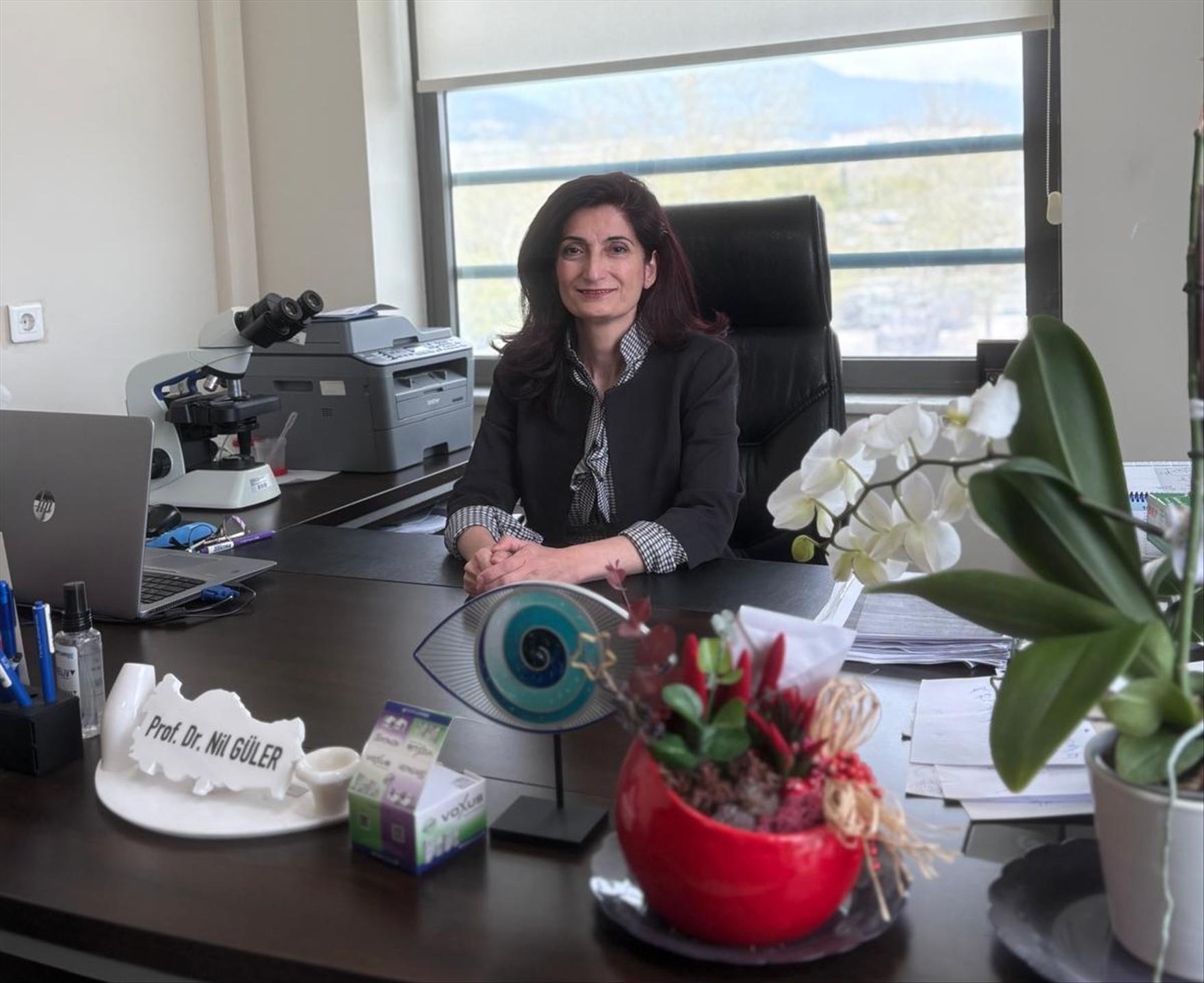
In her statement, Prof. Dr. Nil Güler said: “Hemophilia is a genetic disease caused by the deficiency of clotting proteins. It is defined as Hemophilia A when Factor 8 is deficient and Hemophilia B when Factor 9 is deficient. It may present in childhood with bruising and joint swelling during crawling and walking stages, and some patients are diagnosed after prolonged bleeding following surgical procedures such as circumcision. Recurrent joint bleeding may lead to joint damage over time. Although hemophilia is a congenital disease, replacing the missing clotting factors 2–3 times per week can largely prevent joint bleeding and related deformities. With this approach called ‘prophylactic treatment,’ patients are able to maintain their daily life activities and are partially protected with treatment applied in case of trauma. However, in major trauma and serious bleeding, additional factor administration is required. Today, advanced drugs developed with modern technology and gene therapy options are available for hemophilia patients. With the development of drugs used in prophylactic treatment, monthly administration forms have also begun to be used. The appropriate treatment is evaluated individually for each patient. Therefore, patients must regularly attend hematology outpatient clinic controls, report bleeding episodes, and have their factor inhibitor levels checked once or twice a year.”
Prof. Dr. Nil Güler: “The most important issue in hemophilia patients is to avoid situations that increase the risk of bleeding.”
Emphasizing that hemophilia patients should not neglect oral and dental care due to fear of bleeding, Prof. Dr. Güler continued: “Regular oral hygiene should be maintained with soft toothbrushes recommended by dentists, and periodic dental check-ups should not be skipped. Before procedures such as tooth extraction, additional factor treatment should be administered and factor inhibitor levels must be evaluated. The Hemophilia Youth Workshop organized by the Hemophilia Federation was held on March 28, 2026 in Denizli, hosted by the Pamukkale Hemophilia and Other Blood Diseases Association. Many hemophilia patients and their families, as well as experienced faculty members in the field, participated in the workshop. During the workshop, a productive environment was created where patients and physicians came together and problems were discussed mutually. Feedback from patients indicated that meeting individuals with similar conditions and observing the life experiences of more experienced patients was an important source of motivation. At PAU Hospitals, both pediatric and adult hemophilia patients are followed, and services continue to be provided with a planned and careful approach during surgical procedures and bleeding situations.”