
PAU Hospitals Issue Statement on International Epilepsy Day
Pamukkale University (PAU) Hospitals, Department of Neurology faculty member Assoc. Prof. Dr. Selma Tekin made statements regarding International Epilepsy Day on 9 February.
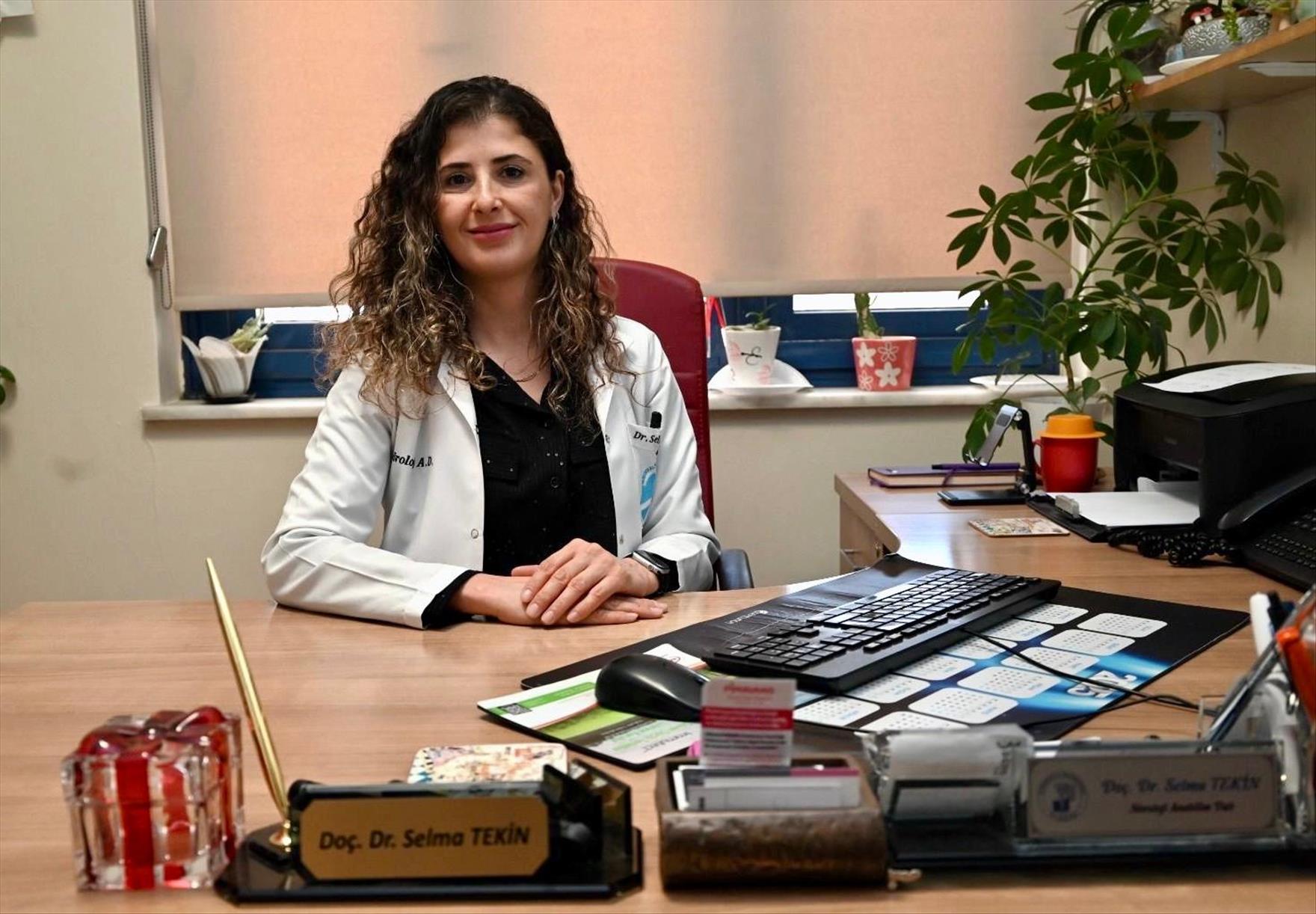
In her statement, Assoc. Prof. Dr. Selma Tekin, a faculty member of the Department of Neurology at PAU Hospitals, expressed the following: “Epilepsy is a medical condition that affects approximately 50 million people worldwide and occurs as a result of temporary abnormal electrical activity in nerve cells in the brain. Epilepsy is not contagious, it is not a mental illness, and it can be brought under control with accurate diagnosis and treatment. Epilepsy can be seen at any age, in any gender, and in every society. Seizures do not always occur in the form of fainting and convulsions; sometimes they may present as brief episodes of staring, absence, or involuntary movements in a part of the body lasting only a few seconds. With appropriate medication treatment, approximately 70 percent of epilepsy patients can live a seizure-free life. Epilepsy is not an obstacle to social life. Individuals with epilepsy can receive education, work, engage in sports, and establish a family. At this point, correcting misconceptions widely held in society is of great importance.”
Assoc. Prof. Dr. Selma Tekin: “Let Us Know the Facts, Let Us Break Prejudices”
Emphasizing that correct first aid during a seizure is of vital importance, Assoc. Prof. Dr. Selma Tekin continued her remarks as follows: “It is sufficient to place the person having a seizure in a safe area, turn them onto their side, place a soft support under their head, and loosen tight clothing. Practices such as trying to insert hard objects into the mouth, forcibly restraining the patient, or giving water or food can cause serious harm. If the seizure lasts longer than five minutes, emergency assistance must be called. Living with epilepsy does not mean giving up on dreams. With regular physician follow-up, adherence to medication, and healthy lifestyle habits, this process can be managed successfully. Epilepsy is not a disability, but a health condition that needs to be managed. Let us overcome prejudices together.”