
PAU Hospitals Call for Awareness on Thalassemia
Pamukkale University (PAU) Hospitals, Hematology Department faculty member Assoc. Prof. Dr. Gülsüm Akgün Çağlıyan made a statement on World Thalassemia Day.
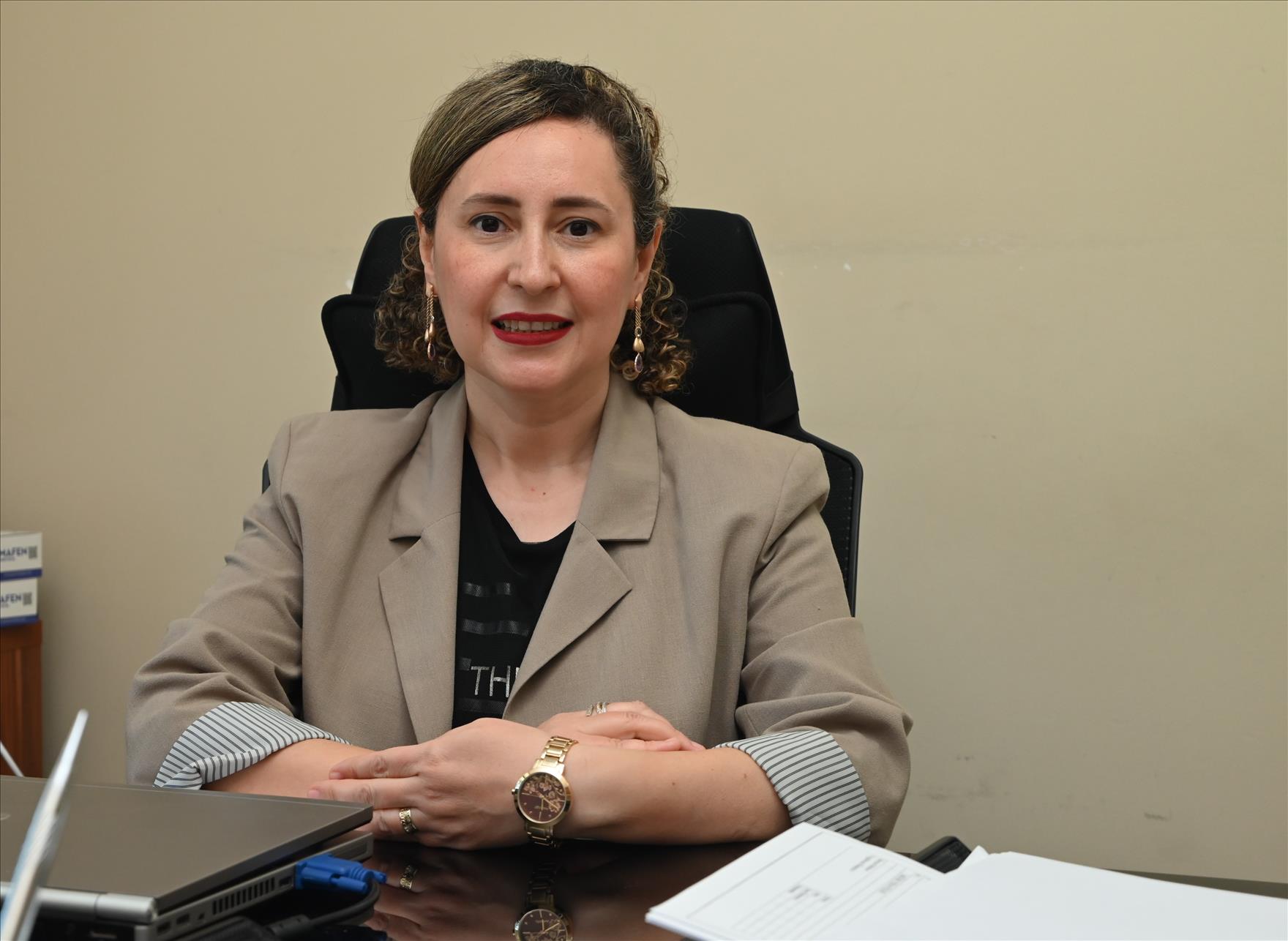
Assoc. Prof. Dr. Gülsüm Akgün Çağlıyan from the Hematology Department at PAU Hospitals stated: “Beta Thalassemia Major is a hereditary blood disorder characterized by impaired hemoglobin production. The disease occurs due to mutations in the beta globin gene, resulting in reduced or completely absent beta chain production. It was first described in 1925 by Cooley and Lee. Clinical severity varies depending on the amount of beta globin produced in the body, and thalassemia is classified as major, intermedia, and minor. Beta Thalassemia Major is generally a severe condition causing significant anemia. The disease is more common in populations from the Mediterranean, Middle East, and South Asia. The underlying mechanism is ineffective erythropoiesis (failure of proper blood cell production). As a result, the bone marrow becomes overactive, hemolysis increases, and splenomegaly (enlargement of the spleen) may develop. Long-term anemia in children may lead to bone deformities and growth retardation. Symptoms usually appear within the first year of life. The most common findings include pallor, fatigue, jaundice, hepatosplenomegaly (enlargement of the liver and spleen), loss of appetite, and growth delay. If left untreated, facial and skull bone deformities, increased susceptibility to infections, and cardiac complications may occur. For diagnosis, hemogram (blood count) and hemoglobin analysis are important. Patients typically present with severe anemia and disease-specific hemoglobin abnormalities are detected in laboratory tests.”
Assoc. Prof. Dr. Çağlıyan stated: “Beta Thalassemia Major is a disease that can be controlled with modern treatments today.”
Assoc. Prof. Dr. Çağlıyan continued: “The mainstay of treatment is regular red blood cell transfusions. The aim is not only to correct anemia but also to suppress excessive bone marrow activity and prevent complications caused by the disease. Patients usually receive red blood cell transfusions every 2–4 weeks. The most important consequence of frequent transfusions is iron overload. Excess iron can cause serious damage to the heart, liver, and endocrine system. Therefore, iron chelation therapy (drug treatment that removes excess iron from the body) is used. With modern therapies used today, iron overload can be controlled more effectively. Iron levels and organ involvement are regularly monitored in patients. In some cases, splenectomy (surgical removal of the spleen) may be required due to hypersplenism and increased transfusion needs. In conclusion, Beta Thalassemia Major is a serious lifelong condition requiring regular follow-up, but it can be controlled with modern treatments today. With regular treatment and a multidisciplinary approach, patients’ life expectancy and quality of life have significantly improved. For eligible patients with a suitable donor, hematopoietic stem cell transplantation (bone marrow transplantation) remains the most important curative treatment option. In addition, advances in gene therapy offer promising results for the future.”