
PAU Hospitals Make Statement on MS Day
Associate Professor Selma Tekin, a faculty member of the Department of Neurology at Pamukkale University (PAU) Hospitals, made statements on the occasion of Multiple Sclerosis (MS) Day.
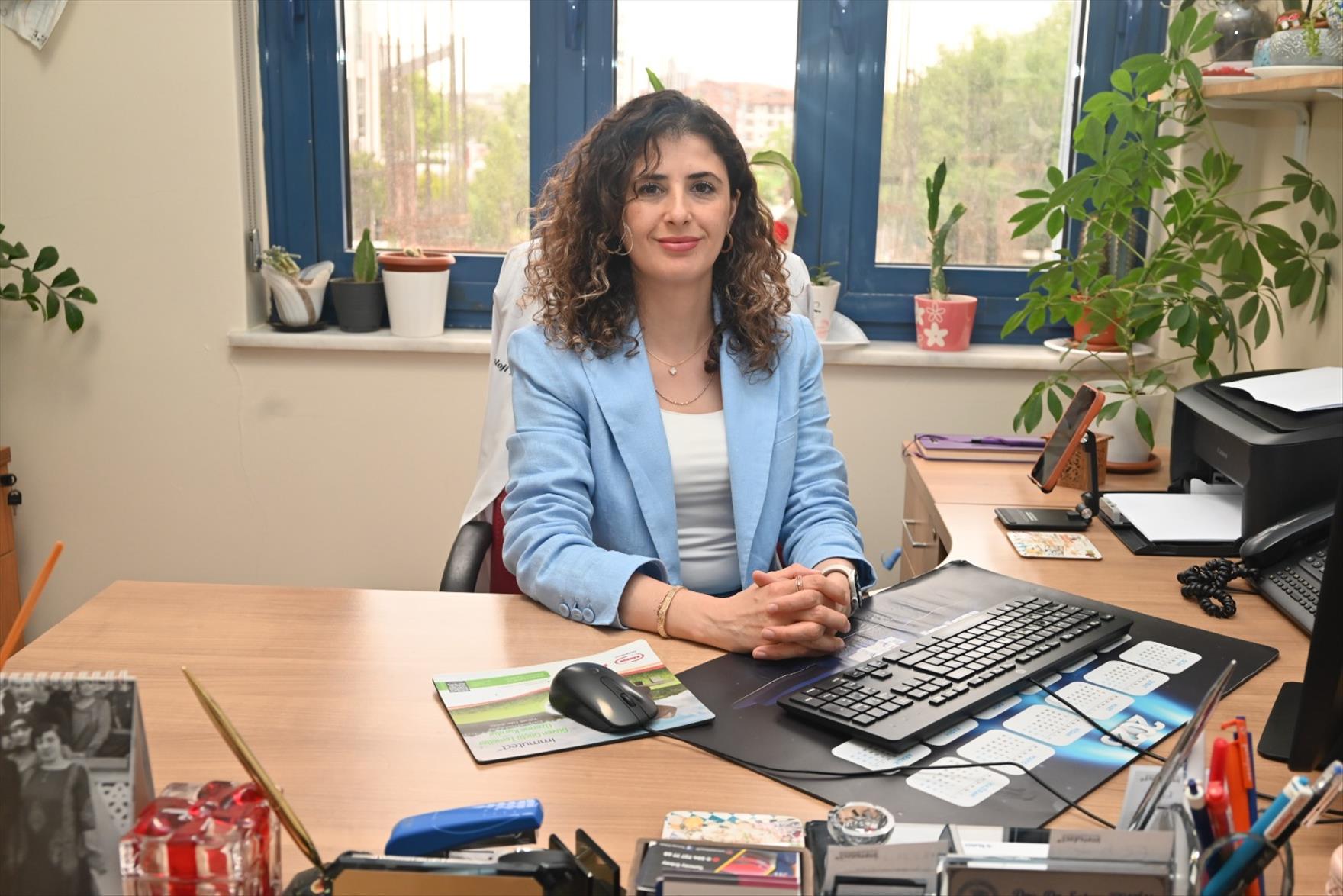
In her statement, Associate Professor Selma Tekin said:
“On the occasion of May 30 World Multiple Sclerosis (MS) Day, I believe that increasing awareness of MS in our society is of great importance as a neurologist and a physician working in the field of neuroimmunology. Every year on this special day, we discuss not only a disease but also the power of hope, solidarity, and scientific progress.
Multiple Sclerosis, or MS, is a chronic disease that affects the central nervous system. In this process, which targets the brain and spinal cord, the immune system attacks the myelin sheath that protects nerve fibers. As a result, nerve conduction slows down and various neurological symptoms emerge in patients. The disease is most commonly seen in young adults and is particularly more prevalent among women.
The symptoms of MS can vary greatly from person to person. Vision loss or blurred vision, numbness and tingling in the arms and legs, balance disorders, difficulty walking, muscle weakness, severe fatigue, and problems with attention and memory are among the most common findings we encounter. Sometimes these symptoms may be temporary, while in other cases they may leave lasting effects depending on the course of the disease.”
Associate Professor Tekin: “Individuals living with MS can actively continue their education, professional careers, academic studies, and social lives.”
Associate Professor Tekin continued:
“I would especially like to emphasize that today MS is no longer a hopeless disease as it was once perceived. Thanks to scientific advances in neurology and neuroimmunology, we now have numerous effective treatment options available. Through early diagnosis, regular follow-up, and personalized treatment approaches, we can largely control disease attacks, reduce the formation of new lesions, and preserve our patients’ quality of life.
As a physician, my most important message is this: MS is not contagious; it is a disease that can often be managed with proper treatment, and individuals living with MS can actively continue their education, professional careers, academic studies, and social lives.
As a society, our responsibility is to reduce prejudice, increase empathy, and recognize invisible barriers. On this May 30 World MS Day, let us make the invisible visible. Increasing awareness in the light of science, making our patients feel that we stand by them, and giving hope are responsibilities shared by all of us.”