
Statement from PAU Hospitals on Public Health Week
Prof. Dr. Nurhan Meydan Acımış, a faculty member of the Department of Public Health at Pamukkale University (PAU) Hospitals, made statements on the occasion of Public Health Week.
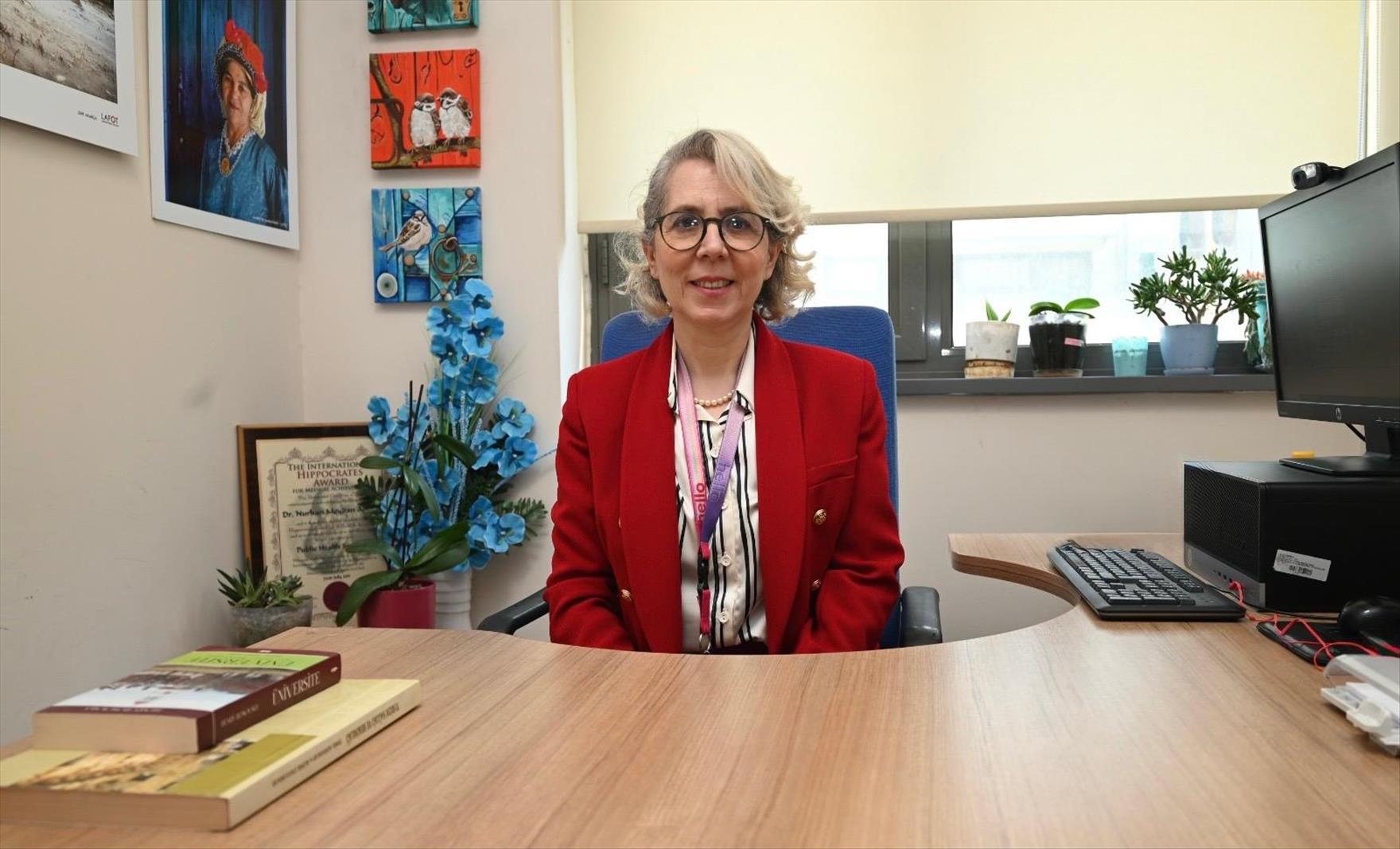
In her statement, Prof. Dr. Nurhan Meydan Acımış, a faculty member of the Department of Public Health at PAU Hospitals, said: “Public Health Week, celebrated every year from September 3–9, reminds us once again of an important fact. Health cannot be achieved solely by properly treating diseases. Preventing diseases before they occur, promoting healthy lifestyle behaviors among individuals, and improving the overall health of society are also integral parts of health. Protecting our health means protecting our future. As a physician, I would particularly like to emphasize that the health of a society is not shaped only in hospitals. Our health is determined in our homes, schools, workplaces, streets, and the environment in which we live. Therefore, public health is a scientific and social approach that aims not only to protect individuals from diseases but also to create conditions in which society as a whole can live healthier lives. A significant portion of healthcare services focuses on treatment after a disease has emerged. The fundamental approach of public health, however, is to reduce risks and protect health before disease occurs. Vaccination, maternal and child health services, cancer screening, early diagnosis and follow-up of chronic diseases, healthy nutrition, increasing physical activity, tobacco control, protecting mental health, environmental health, and preventing infectious diseases are key elements of this approach. The World Health Organization also identifies strengthening primary healthcare services, shifting health systems beyond a sole focus on disease and treatment toward people’s living conditions, needs, and health equity, as a priority approach.”
“Preventive Health Is the Most Valuable Investment in the Future”
Stating that assessing healthy living solely through individual choices is not sufficient from a public health perspective, Prof. Dr. Nurhan Meydan Acımış emphasized that the economic accessibility of healthy food, the creation of healthy nutrition environments in schools, the availability of walking and physical activity areas in cities, access to clean air and water, safe working conditions, and adequate social support are among the social determinants of health. Stating that public health therefore does not simply tell individuals to “live healthier,” Prof. Dr. Meydan Acımış noted that strengthening health equity, reducing the health impacts of climate change, and strengthening primary healthcare services are also among the key priorities of the World Health Organization’s 2025–2028 global health strategy.
Prof. Dr. Nurhan Meydan Acımış said: “Health equity is indispensable to public health. Not everyone in society lives under the same conditions. Differences in poverty, unemployment, educational opportunities, working conditions, age, gender, disability, place of residence, housing conditions, and access to healthcare services can directly affect people’s health. Therefore, reducing health inequalities and ensuring that no individual is left behind in exercising their right to health is a fundamental public health responsibility. Environmental health is an issue of today. Climate change, extreme heat, air pollution, water and soil pollution, forest fires, floods, and other disasters are increasingly affecting public health. Breathing clean air, accessing safe water, having access to healthy food, and living in a safe environment are not merely factors that improve our quality of life; they are also public health needs and part of the right to health. One of the most powerful tools of public health is primary healthcare services, which are the healthcare services closest to people. Many preventive health services, such as vaccination, cancer screening, monitoring chronic diseases, pregnancy and childhood follow-up, health counseling, and early identification of health risks, are provided through primary healthcare. Therefore, strong primary healthcare services are indispensable for a strong public health system. Strengthening public health is not solely the responsibility of healthcare professionals or institutions. There are things we can all do in this regard. For example, let us get our vaccinations on time and make an effort to follow the national vaccination program. Let us participate in cancer screenings appropriate to our age and risk group. Let us try to be more physically active in our daily lives. Let us eat an adequate and balanced diet. Let us stay away from tobacco and nicotine products. Let us value our mental health at least as much as our physical health. Let us avoid unnecessary use of antibiotics and medications. Let us support our children’s right to healthy growth and development. Let us protect the right to health of older adults, people with disabilities, and other vulnerable groups. Let us obtain health-related information from scientific and reliable sources. On the occasion of Public Health Week, September 3–9, I invite all segments of society to take shared responsibility for protecting and improving health. As a physician, I know that preventing diseases from occurring is just as important as treating them. Protecting our health is one of the most important steps we can take not only for today but also for the health of our children and future generations. Because health is not a privilege; it is a fundamental human right.”