
PAU Hospitals Warn About Lung Cancer: Don’t Dismiss Your Cough as “Just a Smoker’s Cough”!
Prof. Dr. Sevin Başer Öncel, Head of the Department of Pulmonary Diseases at Pamukkale University (PAU) Hospitals, made statements during Lung Cancer Awareness Month.
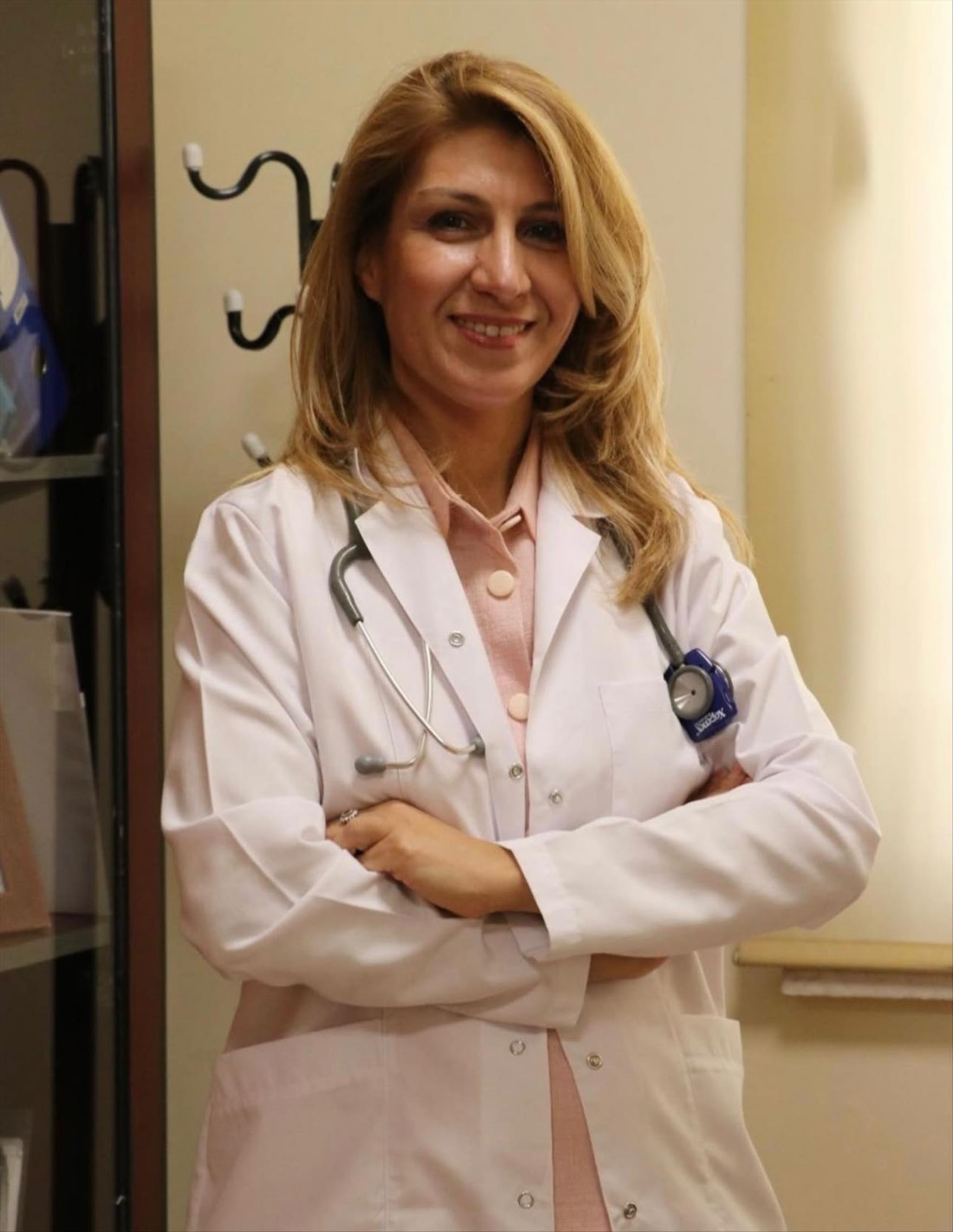
In her statement, Prof. Dr. Sevin Başer Öncel, Head of the Department of Pulmonary Diseases at PAU Hospitals, said:
“Lung cancer, one of the leading causes of cancer-related deaths worldwide, can progress without causing any noticeable symptoms in its early stages. In fact, patients often ignore coughing, the most common symptom of lung cancer, dismissing it as ‘just a smoker’s cough’. However, coughing is a pathological reflex; in other words, it is something that should not occur. If a person has been coughing persistently for more than eight weeks and is a smoker, they should definitely be evaluated for possible lung cancer.
Lung Cancer Awareness Month, observed from November 1 to 30, is intended to draw attention to the risk factors for lung cancer and the importance of early diagnosis and treatment. Each year, approximately 2.2 million people worldwide are diagnosed with lung cancer, and around 1.8 million die from the disease. Lung cancer is one of the deadliest types of cancer. What is particularly striking is that these deaths are preventable. This is because smoking is the primary cause of lung cancer. If people did not smoke, so many would not lose their lives to lung cancer.
Other risk factors include exposure to secondhand smoke, asbestos, heavy metals and radiation, air pollution, and genetic predisposition. In Türkiye, 90% of lung cancer cases occur in people who currently smoke or have smoked in the past. Worldwide, 80% of lung cancer cases among men and 50% of cases among women are associated with smoking. The incidence of lung cancer increases with age. For this reason, screening programmes using low-dose CT scans for high-risk individuals over the age of 50 are supported in some countries.
Early diagnosis increases the chances of successful treatment.
Noting that the five-year survival rate for lung cancer has reached as high as 22% in some countries, and that patients live longer when treatment is possible at an earlier stage, Prof. Dr. Sevin Başer Öncel continued:
“Early diagnosis of lung cancer can save lives. We see that patients diagnosed at an early stage, when the cancer is operable, can live for many years. Treatment options for lung cancer include surgery, drug therapy (conventional chemotherapy, targeted therapies and immunotherapy), and radiotherapy.
Treatment decisions and follow-up for patients with lung cancer are carried out through a multidisciplinary approach involving several relevant medical specialties. In this context, in order to provide our patients with the best possible treatment, faculty members from the Departments of Pulmonary Diseases, Medical Oncology, Thoracic Surgery, Radiology, Nuclear Medicine, and Radiation Oncology have been meeting every Friday at 11:00 a.m. since 2006 as part of our university’s Thoracic Oncology Council. Together, we work to determine the most appropriate treatment method for each lung cancer patient.
I would like to reiterate that the best way to combat lung cancer is never to start smoking in the first place. I also recommend that patients who smoke and experience symptoms such as a persistent cough, shortness of breath, coughing up blood, or weight loss consult a pulmonary diseases specialist without delay.”