
PAU Hospitals Warn About Returning to School: Children’s Anxieties Should Not Be Overlooked
Associate Professor Dr. Merve Aktaş Terzioğlu, a faculty member of the Department of Child and Adolescent Psychiatry at Pamukkale University (PAU) Hospitals, offered important recommendations to families regarding adjustment difficulties and symptoms of anxiety that children may experience during the return-to-school period following the summer holiday.
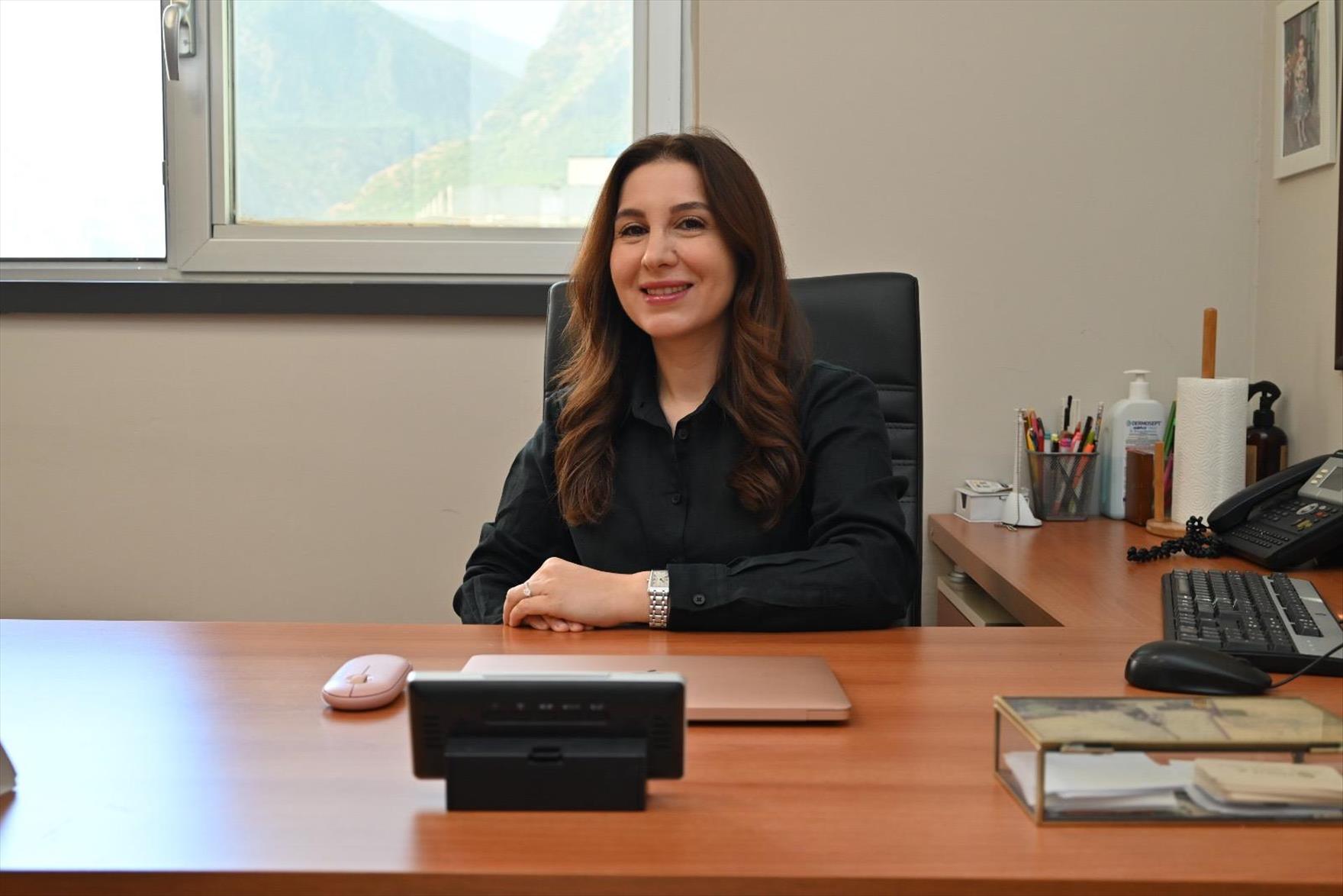
Stating that children move from a more flexible daily routine after the summer holiday to a more structured way of life involving early waking, school hours, and school responsibilities, Associate Professor Dr. Merve Aktaş Terzioğlu noted that short-term reluctance, restlessness, or anxiety that may be seen in the first few days can often be a natural adjustment response.
Emphasizing that school is not merely an environment where children learn academic knowledge, Associate Professor Dr. Aktaş Terzioğlu said that it is also an important part of children’s lives where friendships are formed, social skills are developed, and structure is brought to daily life. Associate Professor Dr. Aktaş Terzioğlu stated that, for this reason, the return-to-school period should not be considered simply as the start of classes, but rather as the child’s return to their daily and social routine.
“If a child says, ‘I don’t want to go to school,’ it is necessary to understand why.”
Stating that children saying “I don’t want to go to school” or “I wish the holiday wouldn’t end” after a long holiday does not, by itself, indicate a problem, Associate Professor Dr. Aktaş Terzioğlu noted that what matters is whether the symptoms decrease over time and do not significantly affect the child’s daily life.
Emphasizing that a child’s anxiety should not be minimized, Associate Professor Dr. Aktaş Terzioğlu stated that, rather than using expressions such as “What is there to be afraid of?”, it would be more supportive for parents to show that they understand the emotions their child is experiencing. Associate Professor Dr. Aktaş Terzioğlu noted that explaining to the child that adjusting to a new routine may take time can help them feel safer, stating, “A child’s anxiety should not be minimized. Telling them that it may take time to adjust to a new routine helps the child feel safer.” At the same time, drawing attention to the importance of not turning anxiety into a subject of constant discussion, Associate Professor Dr. Aktaş Terzioğlu said that daily life and school attendance should continue as normally as possible.
“Pay Attention to These Symptoms”
Stating that, particularly around school departure times, physical complaints such as recurring stomachaches, headaches, or nausea, as well as behaviors such as intense crying and persistent refusal to go to school, should be assessed more closely, Associate Professor Dr. Aktaş Terzioğlu noted that it is important to investigate the underlying causes when symptoms persist for a long time and affect the child’s functioning.
Pointing out that difficulties adjusting to school may result from different causes, Associate Professor Dr. Merve Aktaş Terzioğlu said that these may include separation anxiety or other anxiety problems, depressive symptoms, attention-deficit/hyperactivity disorder, learning difficulties, problems in peer relationships, and peer bullying. Associate Professor Dr. Aktaş Terzioğlu stated, “Rather than focusing only on the behavior of ‘not wanting to go to school,’ it is necessary to try to understand the reason behind this behavior.”
“Daily Routine Should Be the Priority in the First Weeks”
Recommending that, during the first weeks after schools reopen, children should be given time to adjust to the new routine instead of being placed under intense academic performance pressure, Associate Professor Dr. Aktaş Terzioğlu stated that restoring sleep patterns, regular school attendance, and daily responsibilities should be the priorities.
Stating that academic expectations should be determined by taking the child’s age and developmental characteristics into account, Associate Professor Dr. Aktaş Terzioğlu said that gradually adjusting the sleep schedule, which may have changed during the summer holiday, to the school routine can make the transition easier.
Recommending that screen use be reduced in the evening and that a calmer routine be established before bedtime, Associate Professor Dr. Aktaş Terzioğlu noted that preparing the school bag and deciding on the clothes to be worn the following day the night before can also reduce the morning rush.
“Parents’ Attitudes Matter”
Stating that families of children who are starting school for the first time or changing schools may experience various concerns, Associate Professor Dr. Merve Aktaş Terzioğlu emphasized that parents should avoid reflecting their own anxieties onto their children as much as possible. Stating that the aim is not to provide the child with unrealistic reassurance that they will experience no problems, Aktaş Terzioğlu said that what is truly important is helping the child feel that they can cope with difficulties they may encounter and that they can receive support from their family when needed. Associate Professor Dr. Aktaş Terzioğlu said, “Knowing that their family trusts them and that they are not alone when facing a problem is an important source of confidence for a child.”
“When Should Professional Support Be Sought?”
Stating that a significant proportion of adjustment difficulties during the return-to-school period decrease over time, Associate Professor Dr. Aktaş Terzioğlu recommended seeking professional assessment if anxiety progressively increases, the child experiences significant difficulty attending school, recurring physical complaints emerge, or daily functioning is impaired.
Stating that it would be appropriate to consult a child and adolescent psychiatrist in cases that persist for a long time and significantly affect the child’s daily life, Associate Professor Dr. Merve Aktaş Terzioğlu emphasized that, for a healthy start to school, children should be given time, their daily routine should be re-established, their anxiety should not be minimized, and parents should maintain a calm and reassuring attitude.