
PAU Hospitals Introduce New Technology for Painless Vascular Health Assessment
Pamukkale University (PAU) Hospitals has acquired an advanced vascular function assessment device for use in scientific research on cardiovascular diseases under its Scientific Research Projects (BAP) program.
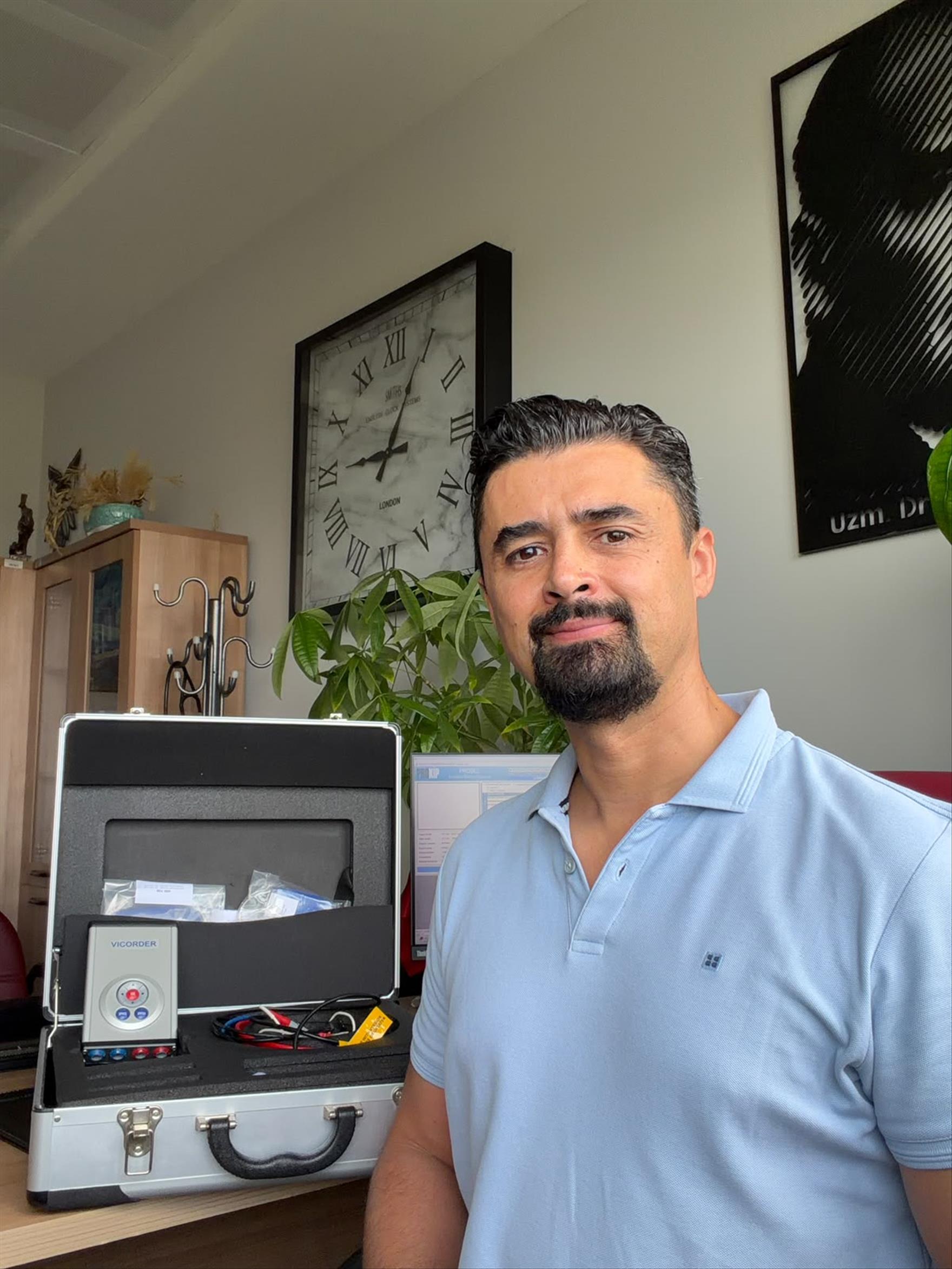
Dr. Işık Tekin, faculty member of the Department of Cardiology at PAU Hospitals, stated:
“Thanks to the Vicorder vascular function measurement system acquired under PAU’s Scientific Research Projects (BAP) program, vascular health can be assessed in detail without needles, painlessly, and in approximately 10 minutes. The device can be used not only in cardiology but also in scientific studies across various fields that may affect vascular structure, ranging from kidney diseases to metabolic and hormonal disorders.
The system enables the assessment of the function of the endothelial layer, which lines the inner surface of blood vessels and plays an important role in maintaining vascular health, as well as arterial stiffness and several advanced parameters related to the circulatory system.
Cardiovascular diseases often begin to cause changes in blood vessel structure years before noticeable symptoms appear. With this system, we can painlessly assess arterial stiffness, the speed at which pulse waves travel through the blood vessels, and parameters such as central blood pressure, which cannot be measured directly using conventional blood pressure monitors.”
Dr. Işık Tekin: “Early Changes in Vascular Health Are Being Examined in Greater Detail Through Scientific Research”
Noting that one of the device’s key features is its ability to perform different vascular function measurements within a single research platform, Tekin continued:
“Although various systems in Türkiye can measure certain aspects of arterial stiffness or vascular function, bringing technology capable of conducting such a comprehensive vascular assessment through a single system to Pamukkale University provides an important research infrastructure.
The new system can be used to investigate a wide range of conditions that may affect vascular health, particularly hypertension, heart failure, diabetes, kidney diseases, obesity, and hormonal disorders. It will also enable the objective monitoring of the effects of new medications, treatment methods, exercise programs, and lifestyle changes on vascular health.
The system acquired by the Department of Cardiology at Pamukkale University is expected to contribute to collaborative scientific research between different departments within the university, as well as to national and international projects to be carried out in the future.”