
PAU Hospitals Statement on March 8–14 Glaucoma Week

09.03.2026
Prof. Dr. İbrahim Toprak, Head of the Department of Ophthalmology at Pamukkale University (PAU) Hospitals, issued a statement within the scope of March 8–14 World Glaucoma Week.
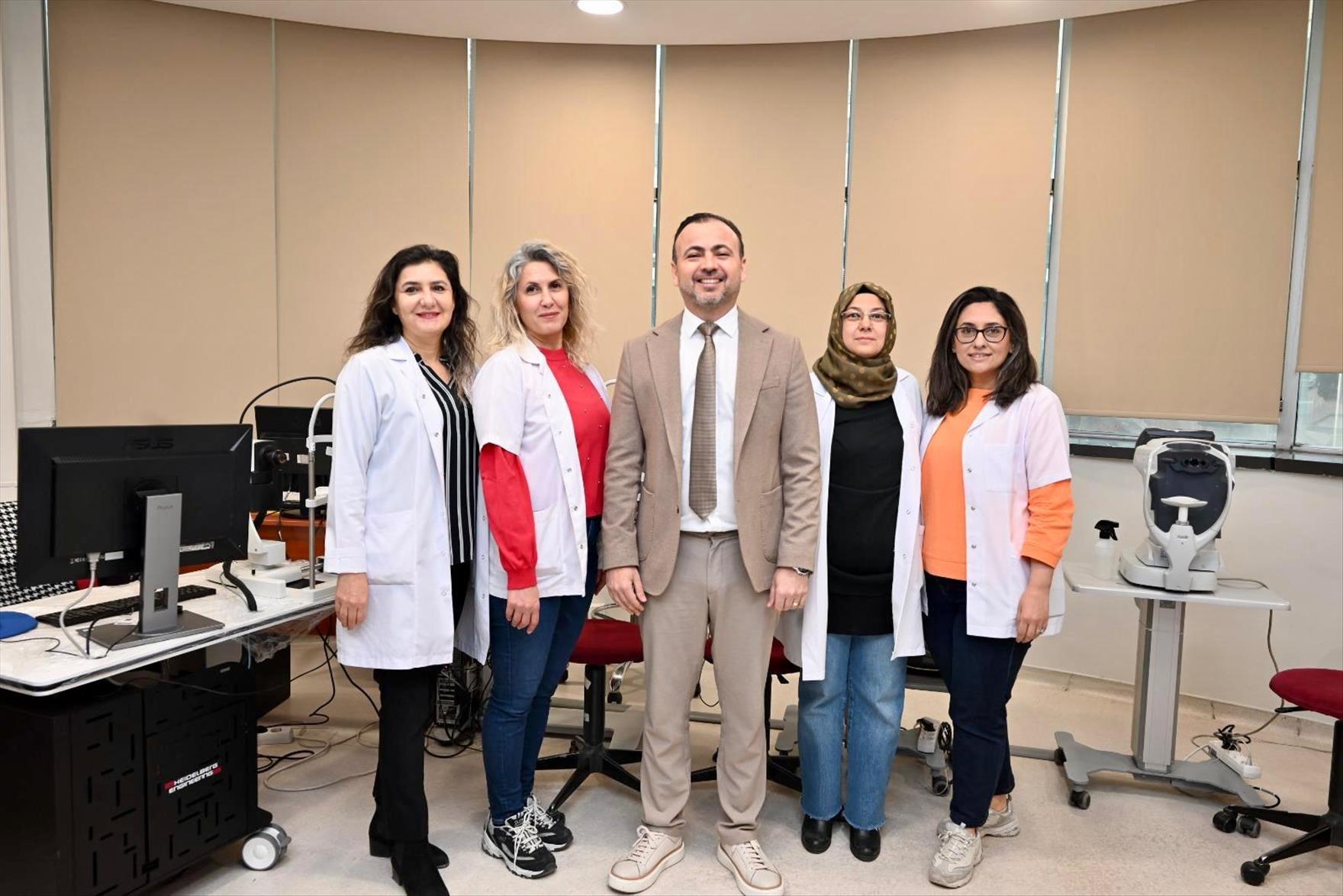
In his statement, Prof. Dr. İbrahim Toprak provided the following information: “World Glaucoma Week, held between March 8–14, is an important week during which awareness activities are carried out worldwide to draw attention to glaucoma and emphasize the importance of early diagnosis. Glaucoma, commonly known as eye pressure among the public, is a serious eye disease that causes progressive damage to the optic nerve and can lead to permanent vision loss if left untreated. Since it often progresses without any symptoms, it is also called the ‘silent thief of sight,’ and approximately 90 percent of patients in developing countries are unaware that they have the disease. It is known that approximately 78 million people worldwide have glaucoma, and this number is expected to reach 111.8 million by 2040. For this reason, glaucoma is considered one of the leading causes of irreversible blindness. Although glaucoma can be seen at any age, the risk is higher especially in individuals over 40 years of age, those with a family history of glaucoma, and individuals with systemic diseases such as diabetes and hypertension.”

Prof. Dr. İbrahim Toprak: “Detect glaucoma early, protect your vision”

Drawing attention to the fact that individuals with a family history of glaucoma have a 4 to 10 times higher risk of developing the disease, Prof. Dr. Toprak continued as follows: “One of the most important features of glaucoma is that it does not show symptoms in the early stages. Therefore, regular eye examinations are crucial for early diagnosis. A comprehensive eye examination is recommended every 2–4 years before the age of 40, every 2–3 years between the ages of 40–60, and every 1–2 years after the age of 60. Glaucoma is not a disease that can be completely eliminated; however, with early diagnosis and appropriate treatment, the progression of vision loss can be largely prevented.”

İlgili Haberler