
PAU Hospitals Statement on April 11 World Parkinson’s Day
Associate Professor Dr. Selma Tekin, a faculty member of the Department of Neurology at Pamukkale University (PAU) Hospitals, made a statement on the occasion of April 11 World Parkinson’s Disease Day.
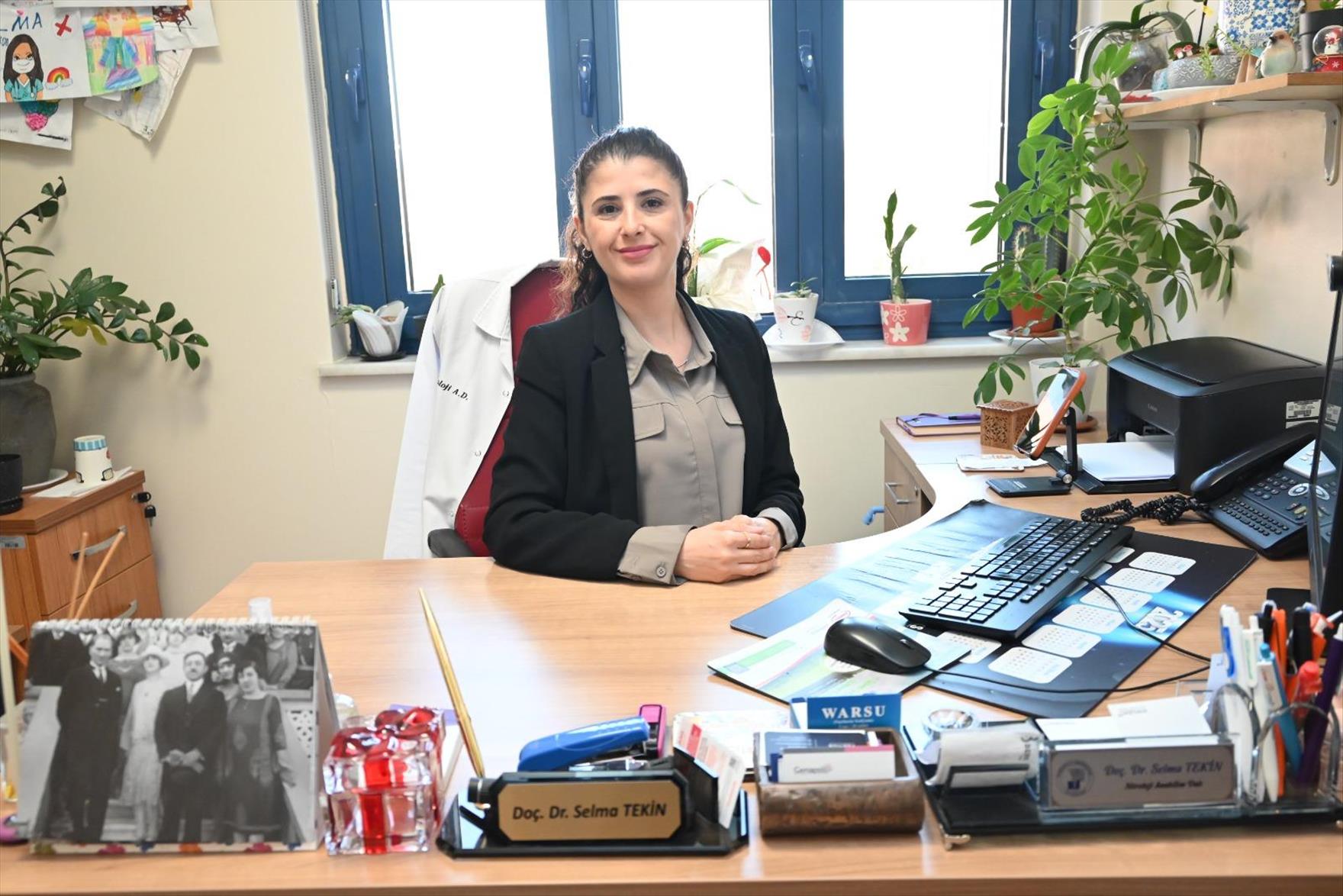
In her statement on Parkinson’s disease, Associate Professor Dr. Selma Tekin said: “April 11 World Parkinson’s Disease Day provides an important opportunity to raise awareness in society and draw attention to the importance of early diagnosis. Parkinson’s disease is known as the second most common neurodegenerative disease in the world after Alzheimer’s. The disease occurs as a result of the progressive loss of nerve cells producing dopamine (a chemical substance that regulates movements) in a region of the brain called the substantia nigra (a region in the brain responsible for movement control). Dopamine deficiency directly affects the coordination and fluency of movements. In Parkinson’s disease, symptoms usually appear after the loss of cells reaches a certain level. The most common motor symptoms include tremor occurring at rest, slowness of movement, muscle stiffness, and, in advanced stages, balance disorders. However, the disease is not limited to the motor system. Non-motor symptoms such as loss of sense of smell, sleep disorders, constipation, depression, and anxiety are also an important part of the process. These symptoms may appear years earlier in some patients.”
Associate Prof. Dr. Tekin: “If you notice tremor, slowness of movement, or loss of smell, consult a specialist without delay.”
Stating that there is currently no treatment that completely eliminates Parkinson’s disease, Associate Professor Dr. Selma Tekin said: “With medical treatments, surgical methods, and supportive approaches, the symptoms of the disease can be largely controlled. In addition to neurological follow-up, physical therapy, speech and swallowing therapies, and psychological support play an important role in improving patients’ quality of life. Early diagnosis stands out as one of the most critical factors determining the course of Parkinson’s disease. Early recognition of symptoms and timely consultation with a neurology specialist contribute to extending patients’ independent living period. Therefore, increasing public awareness is considered an important step in the fight against the disease.”