
Hearing Impairment Becomes a Thing of the Past
Prof. Dr. Fazıl Necdet Ardıç, Head of the Department of Otorhinolaryngology at Pamukkale University (PAU) Hospitals, provided information and made important statements regarding International Week of the Deaf, observed between September 22–28.
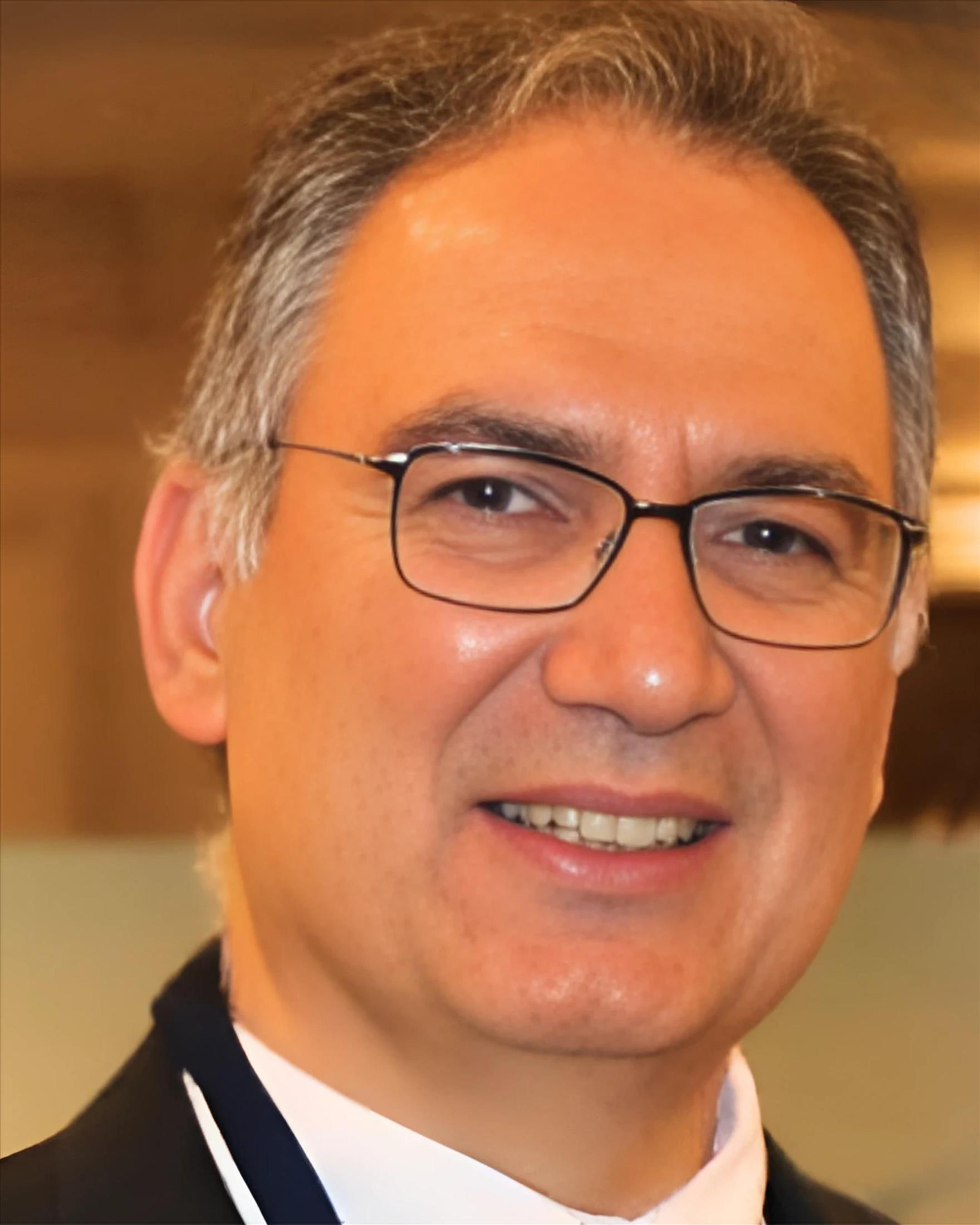
Prof. Dr. Fazıl Necdet Ardıç, Head of the Department of Otorhinolaryngology at PAU Hospitals, shared the following information in his statement:
“Activist Helen Keller, who was both visually and hearing impaired, emphasized the significance of hearing loss as a social problem among sensory deprivations with her words: ‘Blindness separates people from things, deafness separates people from people.’ Around 5% of the world’s population, nearly 430 million people, experience hearing problems severe enough to require rehabilitation. It is estimated that this number will reach 700 million by 2050. Eighty percent of these individuals live in low- or middle-income countries. Hearing loss above 35 dB is at a level that requires rehabilitation. Hearing loss may be congenital or acquired later in life. Delay in speech in infants, meaningless vocalizations, children turning up the television volume excessively, adults gradually withdrawing from social life, unexpected irritability, and deterioration in speech patterns may all be signs of hearing loss. The first group of such patients consists of those with congenital hearing loss, most often due to genetic reasons. The implementation of newborn hearing screening programs, which ensure that newborns undergo a hearing test before leaving the hospital, has been a major development in this field. Since these children do not develop speech at all, early diagnosis and treatment are crucial. The second group includes patients who develop hearing loss after acquiring speech, which may occur at any age. Sensorineural hearing loss can result from genetic, environmental, disease-related, or age-related factors. Patients from these two groups who cannot benefit from hearing aids are candidates for cochlear implants.”
Prof. Dr. Fazıl Necdet Ardıç: “Cochlear implants offer a permanent solution to hearing loss.”
Emphasizing that cochlear implant technology differs from hearing aids, Prof. Dr. Fazıl Necdet Ardıç continued:
“A hearing aid captures sound through its microphone, processes it, and transmits it back to the ear as a sound signal through a speaker. A cochlear implant, however, processes sound and delivers the signal as an electrical stimulus via an electrode surgically placed inside the inner ear. The processing of this signal in the auditory center of the brain and its transformation into meaningful words—adaptation to the device—takes some time. While there is no adaptation period for those with congenital hearing loss, it may take up to a year for elderly patients. Therefore, hearing rehabilitation is very important both before and after surgery. Children who adapt to the device are able to attend mainstream schools, while adults can return to social life and continue their lives. At our hospital, more than 300 patients have received cochlear implants to date. The youngest patient was 1 year old, and the oldest was 85. Thanks to today’s medical technology, hearing impairment is on the verge of becoming a thing of the past,” he said.