
Healthy Heart, Healthy Life
Head of the Department of Cardiology at Pamukkale University (PAU) Hospitals, Prof. Dr. Dursun Dursunoğlu, provided important information and made significant statements about heart health.
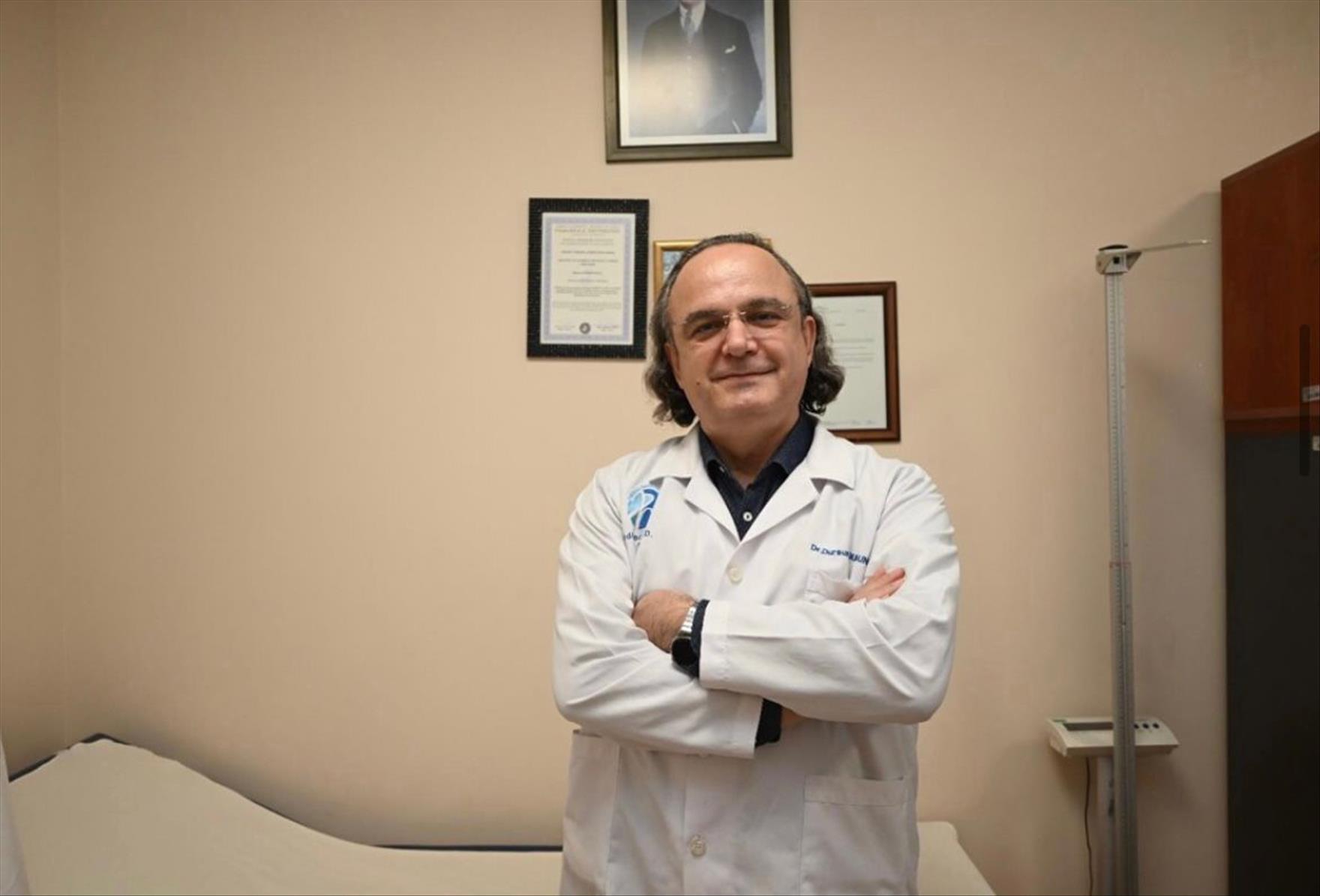
In his statement, Prof. Dr. Dursun Dursunoğlu, Head of the Department of Cardiology at PAU Hospitals, shared the following information:
“Cardiovascular diseases remain the leading cause of death both worldwide and in our country. In Türkiye, 300,000 heart attacks and 125,000 related deaths occur each year. The main cause of heart attacks and sudden deaths is the narrowing or sudden blockage of the arteries (coronary arteries) that supply blood to the heart muscle. There are several reasons for this, which we call risk factors. Having a family history of early-onset coronary heart disease among first-degree relatives such as parents or siblings (genetic factors), smoking and alcohol consumption, hypertension, diabetes, obesity, physical inactivity (sedentary lifestyle), hyperlipidemia (high blood lipids such as cholesterol), metabolic syndrome, insulin resistance, and sleep apnea are among the most well-known causes.
To better illustrate heart health, we can think of the heart muscle as a field and the coronary arteries as the irrigation channels supplying it with water. This “water” carries the oxygen and energy necessary for heart muscle cells to live and function. If the water channel (coronary artery) becomes blocked, the plants (cells) in the field (heart muscle) are deprived of water, begin to wither (ischemia), and if deprived for too long, completely lose vitality (infarction). When the obstructing blockage (atheromatous plaque, clot) is removed in time (through balloon/stent procedures or medication), the water (blood) starts flowing again, and the field (heart muscle) is nourished once more. Therefore, it is crucial to know the risk factors that cause these blockages, combat them, and, if possible, eliminate or control them.”
Prof. Dr. Dursun Dursunoğlu: “Most Heart Diseases Can Be Prevented Through Lifestyle Changes.”
Within the scope of World Heart Day, Prof. Dr. Dursun Dursunoğlu emphasized the importance of raising public awareness about cardiovascular diseases and underlined that maintaining heart health can often be achieved through lifestyle changes. He continued his words as follows:
“Smoking and alcohol should be quit; weight, blood pressure, and blood sugar should be controlled; and regular physical activity should be maintained (preferably at least 30 minutes of brisk walking every day, swimming, etc.). A Mediterranean diet (rich in olive oil, vegetables, fruits, fish, whole grains, legumes, and nuts) should be preferred, while sugary drinks, sweet and flour-based processed foods, and refined carbohydrates should be avoided. Excessive salt consumption (4–6 g/day) should be limited; white meat and fish should be preferred over red meat, and excessive or continuous stress should be avoided. Obesity is associated with high blood pressure, diabetes, metabolic syndrome, and sleep apnea. As weight increases, blood pressure rises; as weight decreases, it falls. It is also very important to take blood pressure, diabetes, and heart medications regularly without interruption and not to neglect physician check-ups,” he said.