
“From Çal to Çağ” Strategy Development Workshop Held
The “From Çal to Çağ” Strategy Development Workshop, carried out under the coordination of Dr. Öğr. Üyesi Aysel Yeşilyurt Er, faculty member of Çal Vocational School (MYO) at Pamukkale University (PAU), in cooperation with Çal District Governorship and Çal Municipality, was held with the participation of academics, public and private institution representatives, and the public during the Viticulture and Products Panels.
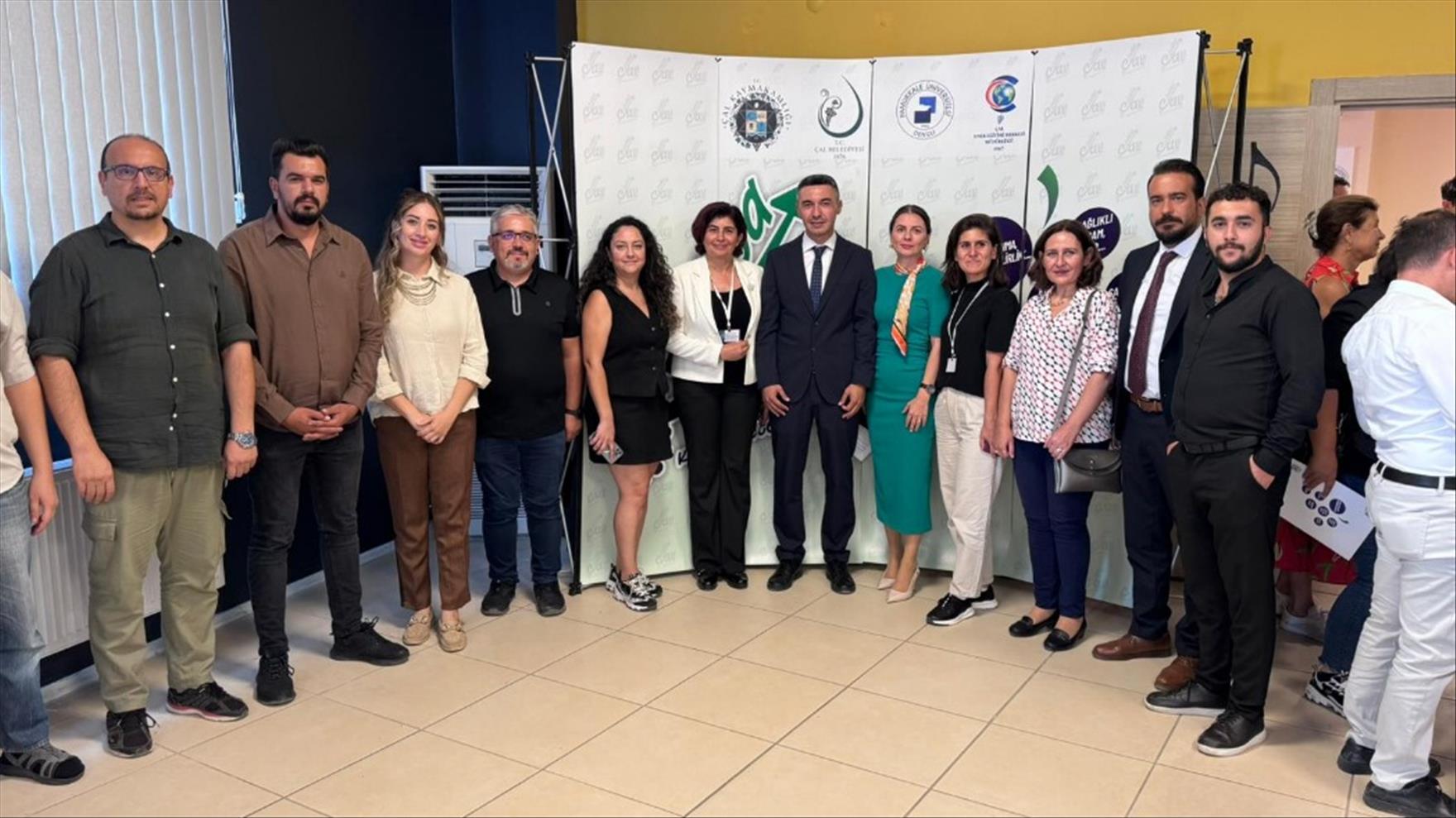
Following the first workshop held in 2024, which discussed strategically important topics for the development of Çal, the Viticulture and Products Panels program, which is significant for discussing district viticulture and determining strategies to advance it, started with opening speeches by Çal Vocational School Director Assoc. Prof. Dr. Özkan Özbek and Çal Mayor Ahmet Hakan.
Özbek stated that viticulture is an indispensable value not only for the region but for the country, emphasized the integration of knowledge with innovation as Çal Vocational School, and noted that this program, bringing together public institutions, the University, and other organizations, is very important for the development of Çal. In his speech, Çal Mayor Ahmet Hakan highlighted the historical importance of viticulture for Çal, stated that bringing these fertile lands together with knowledge and science would create significant added value for the district, and noted that the problems of producers would be addressed with the contributions of scientists, expressing his gratitude to the academics and all personnel involved in the workshop.
The first session of the workshop, focusing on viticulture, was moderated by Prof. Dr. Turgut Cabaroğlu, faculty member of Çukurova University Department of Food Engineering. The first speaker, Prof. Dr. Ahmet Altındişli from Ege University Faculty of Agriculture, gave a presentation titled “The Importance and Potential of Çal Viticulture in the Light of World and Turkey Viticulture,” stating that grapes are produced in 95 countries worldwide, that Turkey’s difference is having the lands where grapes originated and the spread of its varieties as far as China, and that this knowledge must be used effectively. He emphasized that Denizli has a strong potential in viticulture in terms of soil and climate, that there are many grape varieties in Çal and the southern districts that could become brands, and that the Çalkarası grape variety is particularly valuable, underlining that it is our responsibility to promote and brand these precious varieties, and that vineyard route promotion plays an important role in this.
The second speaker, Assoc. Prof. Dr. Burçak İşçi from Ege University Faculty of Agriculture, in his presentation titled “Annual Maintenance Practices and Their Importance in Viticulture,” provided information on soil management, pruning, irrigation, fertilization, and other annual maintenance practices in cultivation. Emphasizing the importance of soil analysis, İşçi noted that carrying out fertilization programs without analysis harms the soil and causes economic difficulties for producers due to unnecessary fertilizer use.
Dr. F. Özlem Altındişli from Bornova Plant Protection Research Institute, in her presentation titled “Integrated and Sustainable Pest Management in Vineyards,” stated that unnecessary chemical use harms beneficial organisms in production areas and disrupts the balance in favor of pests. She emphasized the importance of early warning systems, monitoring threshold values for pest control, and implementing integrated pest management methods.
Dr. Öğr. Üyesi Aysel Yeşilyurt Er from PAU Çal Vocational School, in her presentation titled “Global Warming and Its Impact on Viticulture, Risk Management in Viticulture,” drew attention to global warming and climate change, which have largely limited agricultural production in recent years. She evaluated the causes and consequences of climate change and possible measures, noting that she closely monitors the difficulties faced in Çal viticulture due to climatic effects and emphasizing the importance of using local varieties while highlighting incorrect practices in the region.
In the second session of the workshop titled “Viticulture Products,” moderation was carried out by Prof. Dr. Ahmet Altındişli. Prof. Dr. Turgut Cabaroğlu from Çukurova University Department of Food Engineering presented “Çal District’s Potential in Wine Production and Production Challenges,” stating that Çal is the capital of wine grape production, that the climate and soil conditions allow for high-quality grapes, and that the district has the potential to compete with world countries with its local grape varieties. He noted that wines from the region have won awards in international competitions, that they are conducting studies in the region, and that their TÜBİTAK project, accepted for funding, will work with the Çalkarası grape variety.
Prof. Dr. Hakan Karaca from PAU Department of Food Engineering, in his presentation titled “Points and Risks to Consider in Molasses Production and Grape Drying,” highlighted health-related issues. He provided information about the potential formation of HMF (Hydroxymethylfurfural) due to high temperatures in molasses production, ochratoxin formation in dried grapes under unhealthy conditions, and residue problems in grapes and leaves.
Huriye Kayabaşı Özener, Chairperson of the Traditional Products and Geographical Indications Association, in her presentation titled “The Importance of Geographical Indication in Branding, Geographical Indication Application Processes,” emphasized the importance of obtaining internationally recognized geographical indications for local products, possible mistakes in the application process, and the importance of applying correctly. The program concluded with plaque and gift presentations to the participants.