
Statement from PAÜ Hospitals on World Alzheimer’s Month
Associate Professor Dr. Selma Tekin, Faculty Member at the Department of Neurology at Pamukkale University (PAU) Hospitals, made statements on World Alzheimer’s Month.
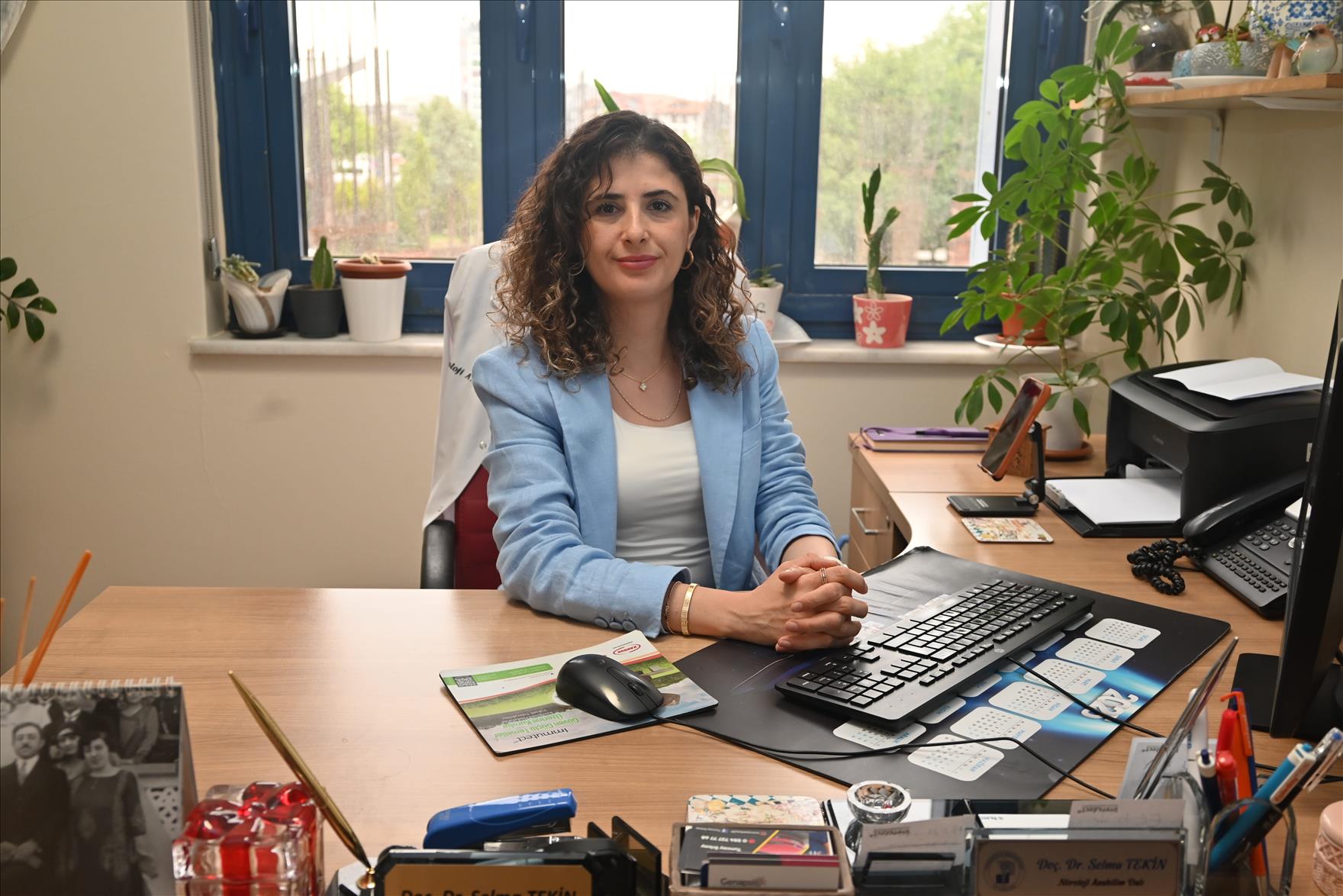
Associate Professor Dr. Selma Tekin, Faculty Member at the Department of Neurology at PAU Hospitals, stated the following in her statement: “In everyday life, forgetfulness is often considered a natural consequence of aging. However, not every instance of forgetfulness should be attributed to aging. Particularly when forgetfulness begins to affect daily life, it may be a sign of an underlying neurological process, especially Alzheimer’s disease. According to data from the World Health Organization, there are currently more than 55 million people living with dementia worldwide, and Alzheimer’s disease accounts for approximately 60–70% of dementia cases. As people age, it can be normal to occasionally forget names, appointments, or certain details. However, the forgetfulness seen in Alzheimer’s disease is different. Symptoms that should be taken into consideration include forgetting newly learned information within a short period, repeatedly asking the same questions, having difficulty with everyday tasks such as cooking, paying bills, or shopping that were previously performed without difficulty, getting lost in familiar places, experiencing confusion about time and place, having difficulty finding words, or experiencing marked changes in decision-making abilities. In addition, changes in personality and mood, social withdrawal, or pronounced suspiciousness may also be among the findings that should be evaluated. We know that Alzheimer’s disease is a progressive neurodegenerative process associated with amyloid plaques and the accumulation of tau proteins in the brain. This process can begin years before the clinical symptoms of the disease become apparent. Therefore, it is of great importance to recognize early signs and carry out the necessary evaluation in a timely manner.”
Associate Professor Dr. Selma Tekin: “Preferring a Mediterranean-style diet, maintaining good-quality and regular sleep habits, and avoiding social isolation are also among the important approaches that support overall brain health.”
Stating that there is not yet a definitive treatment that completely prevents or eliminates Alzheimer’s disease, Associate Professor Dr. Tekin said that there are currently important treatment options for managing the course of the disease and approaches aimed at reducing risks. Emphasizing the importance for brain health of controlling risk factors affecting vascular health, such as hypertension, diabetes, and obesity, starting from middle age, engaging in regular physical activity, maintaining a mentally active lifestyle, preserving social relationships, and following a balanced diet, Associate Professor Dr. Tekin continued: “I would particularly like to emphasize that people experiencing forgetfulness should not postpone consulting a physician by attributing it solely to aging. Although the patient’s medical history and clinical evaluation form the basis of an Alzheimer’s diagnosis, when necessary, we can also make use of neuropsychological tests, brain imaging methods, and biomarker analyses in appropriate patients. Today, there are also significant scientific developments in next-generation treatments aimed at slowing the progression of Alzheimer’s disease, particularly those targeting amyloid accumulation. Early and accurate diagnosis has become more important than ever so that these treatments can be evaluated in appropriate patients and at the right time. Early diagnosis is of great importance not only for evaluating treatment options in a timely manner, but also for enabling patients to make more informed decisions about their future, benefit more effectively from existing symptomatic treatments, and allowing their families to access the support they need at an earlier stage. Alzheimer’s disease can be a long and, at times, very challenging journey for both the patient and their family. Throughout this process, it is necessary to consider not only the disease itself but also the quality of life of the patient and their family. As physicians, we continue to stand by our patients and their families throughout this journey with accurate diagnosis, current treatment approaches, and psychosocial support in light of scientific advances. On the occasion of World Alzheimer’s Day on September 21, I would particularly like to convey the following message: Let us not regard forgetfulness as an inevitable part of old age; let us take early signs seriously and, when necessary, consult a specialist without delay.”