
Special Statement from PAÜ Hospitals for the Week of the Deaf
Prof. Dr. Fazıl Necdet Ardıç, Faculty Member and Head of the Department of Ear, Nose and Throat at Pamukkale University (PAU) Hospitals, provided information and made important statements about the International Week of the Deaf, held on September 21–27.
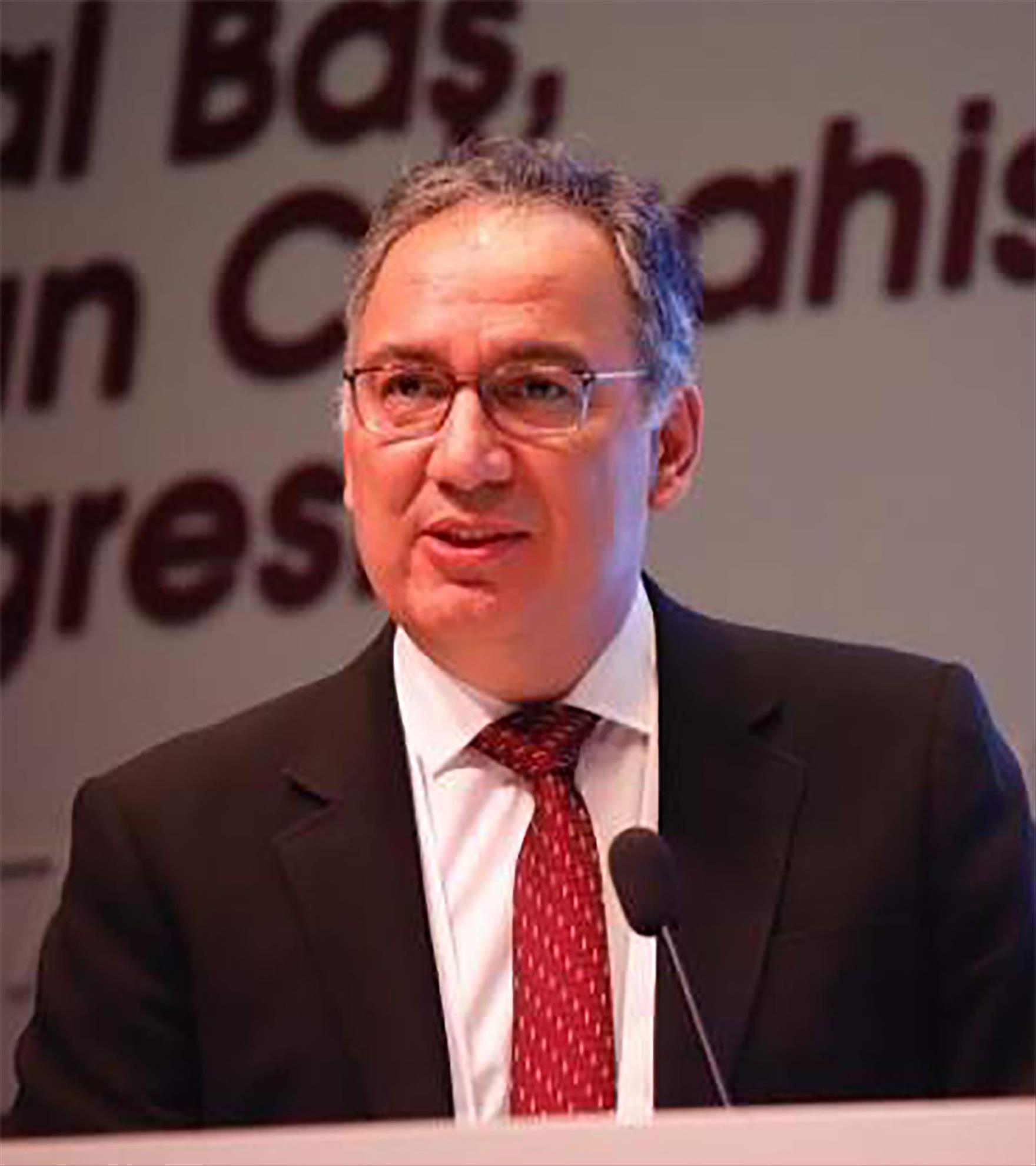
Prof. Dr. Fazıl Necdet Ardıç, Faculty Member and Head of the Department of Ear, Nose and Throat at PAU Hospitals, made the following statements: “The years when people with hearing impairments were excluded from society, unable to continue their education, and forced to establish an isolated life of their own are now behind us. Whether congenital or acquired later in life, hearing impairment is no longer a condition of helplessness. Thanks to advances in technology and developments in medicine, individuals with hearing loss can now maintain their educational and social lives more actively. With the newborn hearing screening program, it is mandatory for every newborn baby’s hearing to be tested before leaving the hospital. In cases where hearing loss is suspected, the centers to which babies should be referred have been determined. If hearing loss is detected, it is possible to begin using a hearing aid before the age of six months and, as soon as the child reaches one year of age, enable them to hear through inner-ear implant surgery (cochlear implant, bionic ear). Rehabilitation centers where children can learn how to use the implant have also become more widely available. Early diagnosis and treatment are of great importance, particularly for children’s speech and language development. Therefore, raising families’ awareness of hearing loss and ensuring that they do not miss screening programs constitute an important step toward successful treatment.”
“Hearing Impairment Is No Longer a Barrier”
Prof. Dr. Ardıç stated that it has become easier for people who experience hearing loss at older ages to access new hearing aid technologies and noted that the number of institutional device companies has also increased. Stating that implant technologies now also cover older individuals, Ardıç continued: “Choosing the right device and receiving rehabilitation support when necessary helps people communicate more comfortably in their daily lives. Although patients in our country have access to the latest technologies and medical knowledge, their inability to benefit from these opportunities due to the high financial burden placed on patients remains one of the most important problems faced by people with hearing impairment. Making the technologies used in the treatment of hearing loss more accessible is of great importance in enabling more individuals to benefit from these opportunities. Today, individuals with hearing loss can improve their communication skills and participate actively in social life through early diagnosis, appropriate treatment, and rehabilitation. Therefore, eliminating hearing impairment as a barrier will be possible not only through medical advances but also by increasing social awareness.”