
PAU’s Quality Confirmed: Honour in Full Accreditation
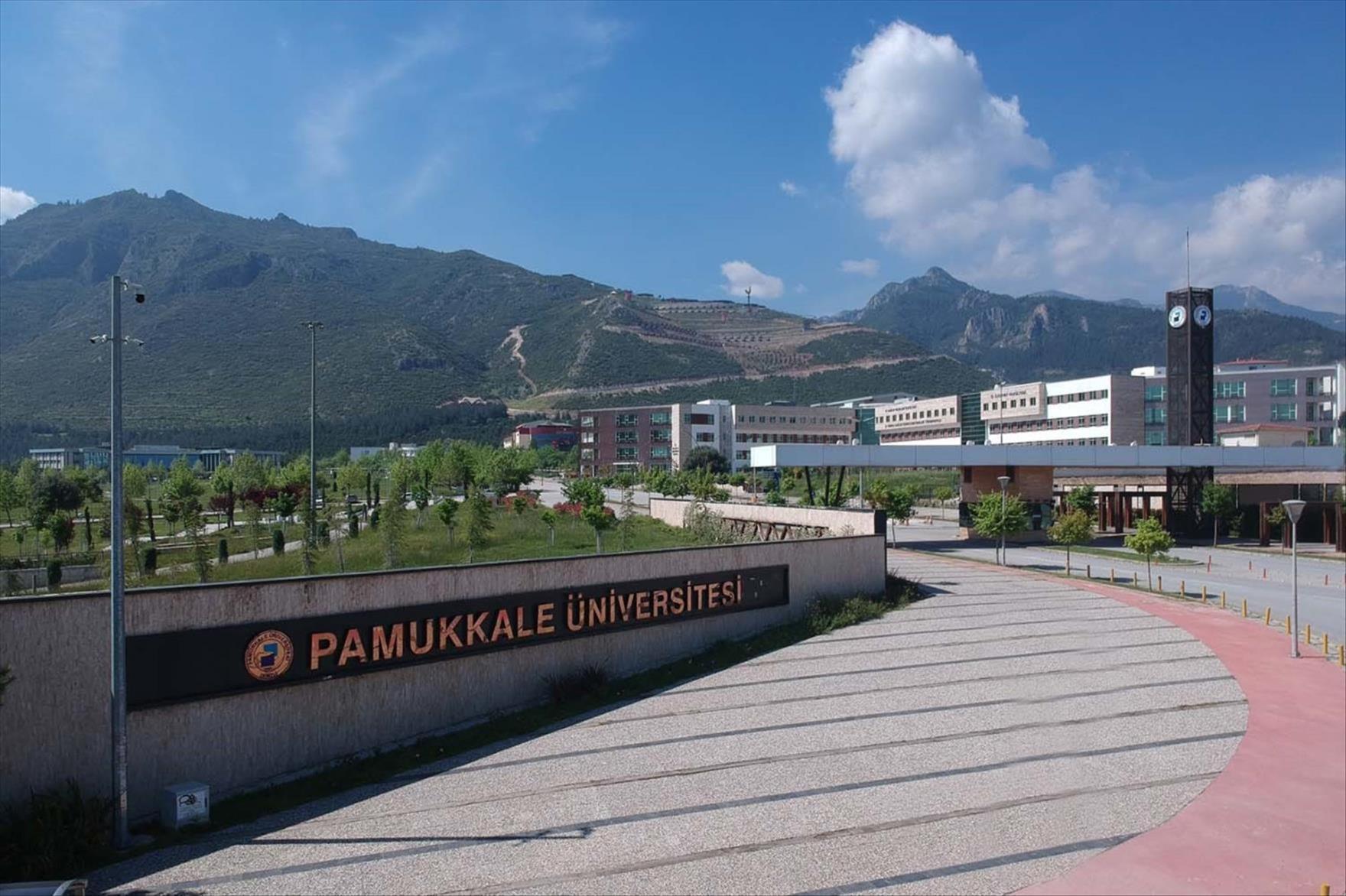
Pamukkale University (PAU) has achieved a historic success in its quality journey by earning “Full Accreditation” following the evaluation process conducted by the Council of Higher Education Quality Board (YÖKAK).
PAU Rector Prof. Dr. Mahmud Güngör stated that the Full Accreditation decision is an important indicator of the strong quality culture established by the University in the areas of education and training, research and development, community engagement, and governance.
Rector Güngör made the following remarks regarding the achievement:
“Full Accreditation is a highly valuable confirmation of the quality journey we have pursued with determination. This achievement reflects the collective effort, institutional belonging, dedication, and strong culture of collaboration. It is the result of the joint efforts of every member of Pamukkale University, our Senate, our academic and administrative staff, our Center for Quality and Data Management Application and Research (KAVDEM), our Quality Commission, our students, our graduates, and all our external stakeholders, including public institutions, chambers, exchanges, and civil society organizations.”
Drawing attention to the fact that the accreditation decision also places an important responsibility on the University in terms of its new goals, Rector Güngör stated that PAU will continue to further enhance quality in education and research, strengthen its international academic visibility, and transform its scientific output into social benefit.
Rector Güngör concluded his remarks with the following message:
“Because we do not see Full Accreditation as merely a title that has been obtained; we see it as a seal of excellence for Pamukkale University and a guarantee of a quality standard that belongs to our students, our city, our country, and our future. With a shared vision, we are determined to move our students, families, city, country, and nation forward together through higher-quality education, stronger scientific output, greater social contribution, and more effective international academic collaborations.”