
PAU Hospitals Warn: Prepare Your Skin for Winter
Prof. Dr. Ahmet Metin, Head of the Department of Dermatology and Venereal Diseases at Pamukkale University (PAU) Hospitals, drew attention to the effects of changing weather conditions on skin health during the autumn months and emphasized the importance of dermatological care in preparing the skin for winter.
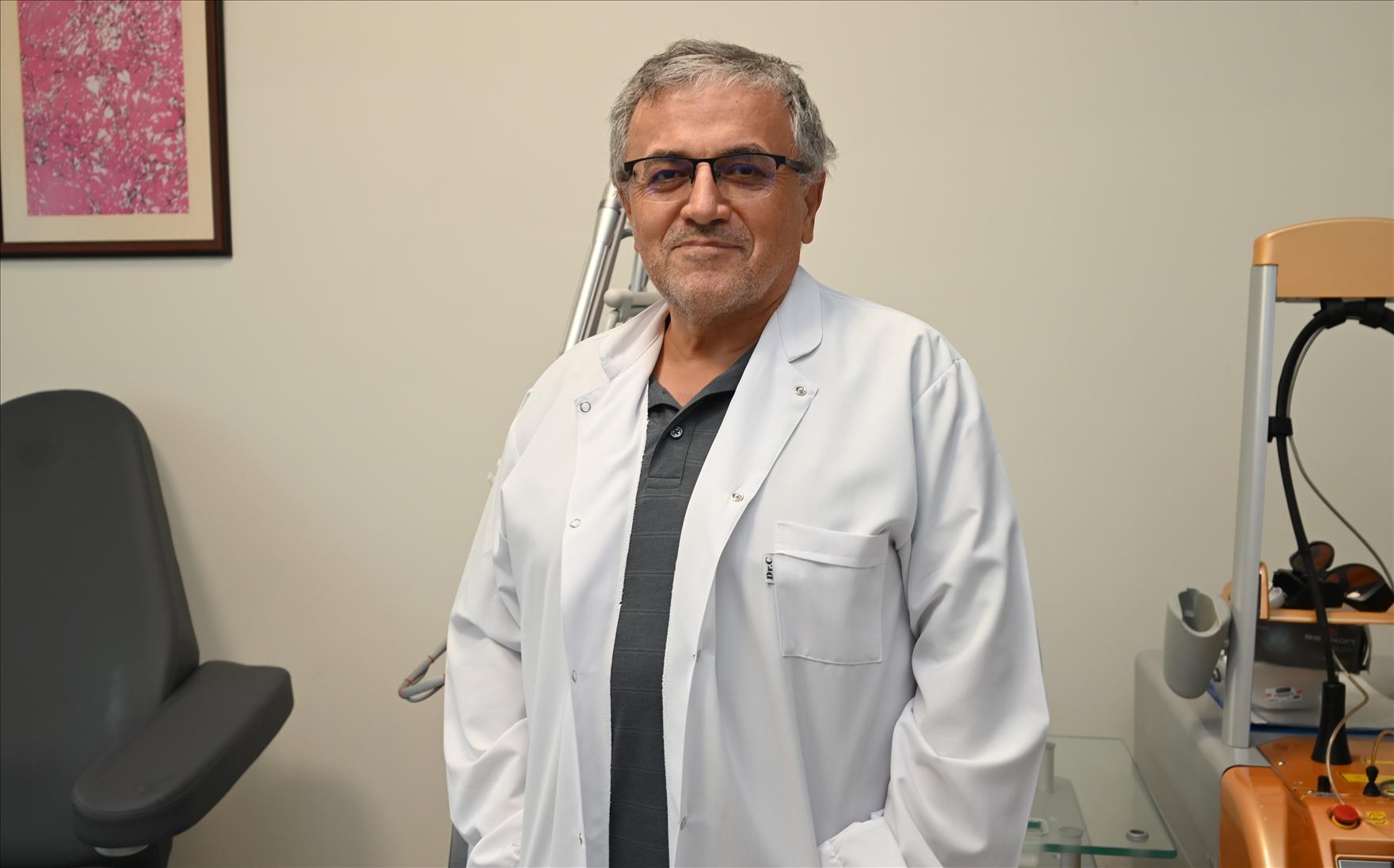
Prof. Dr. Ahmet Metin, Head of the Department of Dermatology and Venereal Diseases at PAU Hospitals, made the following statements: “As we leave the summer season behind, our skin is also entering a new period. The skin barrier, which is worn down by the sun, sea, and swimming pools throughout the summer, begins to experience increased dryness and sensitivity with the lower temperatures, reduced humidity, and stronger winds that come with autumn. Therefore, I consider autumn an important period for both repairing the skin and preparing it for winter. As the weather gets colder and, particularly, heating systems are turned on, the skin loses more moisture. As a result, complaints of dryness, tightness, itching, and eczema may become more pronounced. During this period, the first thing we need to change in our skincare routine is our cleansing habits. Gentler cleansers should be used instead of foaming products that dry out the skin, and hot water should be avoided completely. Lukewarm water should be preferred. After showering, moisturizer should be applied before the skin has completely dried, preferably within the first few minutes. The lightweight lotions used during the summer months may be insufficient for some skin types in autumn. Particularly for dry and sensitive skin, richer moisturizers containing ceramides, glycerin, and hyaluronic acid may be preferred. The main goal here is to strengthen the skin barrier. If the air in homes and workplaces is very dry, increasing humidity levels can also be beneficial. Sunscreen should not be discontinued with the arrival of autumn. UVA rays are effective throughout the year, and people with pigmentation problems should continue to use sun protection. UV exposure is not completely eliminated on cloudy days either. Therefore, broad-spectrum sunscreen should be part of daily skincare. When we consider different age groups, babies have thinner skin and are more prone to moisture loss. Fragrance-free moisturizers should be used, especially after bathing, and hot and frequent baths should be avoided. Barrier creams should be preferred in the diaper area.”
Prof. Dr. Ahmet Metin: “Do not leave your skin to the season; proper care in autumn means healthy skin in winter.”
Prof. Dr. Metin also noted that frequent handwashing and disinfectant use in children increases the risk of dryness and eczema, and stated that regular moisturizing is particularly important for children prone to atopic eczema. He said that the habit of licking the lips can also cause dermatitis around the lips and noted that acne complaints may increase during adolescence. However, he emphasized that excessively washing the skin or completely stopping the use of moisturizers in an effort to dry out pimples is not appropriate.
Prof. Dr. Ahmet Metin stated that gentle cleansers and non-comedogenic moisturizers should be used in acne treatment and continued: “Sunscreen should not be neglected during acne treatment either. In young adults, antioxidants such as vitamin C can be added to the skincare routine for suitable individuals. In adults, active ingredients such as retinol can be used according to the needs of the skin, but they should be introduced gradually and at a low frequency. Autumn and winter are suitable periods for treating sunspots and uneven skin tone. However, the skin barrier must be healthy before starting aggressive peeling or acid treatments. Otherwise, irritation and new pigmentation may develop. In older age, the skin becomes thinner and drier. Therefore, the use of soap should be reduced, and rich moisturizers should be applied at least twice a day. Hot water or cologne should not be used to relieve itching. These can further increase dryness. It is also important to prevent woolen clothing from coming into direct contact with the skin and to ensure that the environment is not excessively dry. In localized care, particular attention should be paid to the lips and hands. Since there are no sebaceous glands on the lips, cracking can develop very easily. Products containing petroleum jelly or beeswax can be used regularly. Hands are highly prone to eczema due to frequent washing, disinfectants, and cold weather. Moisturizer should be applied after every handwashing, and protective gloves should be used when coming into contact with cleaning products. On the feet, moisture and the risk of fungal infections may increase with closed footwear. If dryness and cracking develop on the heels, creams containing urea may be beneficial. On the scalp, dandruff and seborrheic dermatitis may flare up with the arrival of autumn; if symptoms become pronounced, dermatological evaluation is necessary. Autumn is also an important period in terms of pigmentation remaining from summer and damage to the skin barrier. The barrier weakened by the sun, sea, and swimming pools should first be repaired, and then treatments for pigmentation should be planned. Applying intensive acids or aggressive procedures while the skin is sensitive is not appropriate. I would particularly like to emphasize one point: Sunscreen is not used only in summer, oily skin also needs moisturizer, hot water dries the skin rather than cleaning it, and drinking plenty of water alone does not treat dry skin. It is also not appropriate to constantly wash the skin to control acne. If there are deep cracks, bleeding, or discharge on the skin; if severe itching develops to the point of disrupting sleep; or if there are signs of infection such as marked redness, increased warmth, or yellow crusting, a dermatologist should be consulted. Persistent sores and severe scaling on the scalp should also be evaluated. In addition, when changes in the shape, color, or size of moles are noticed, a dermatological examination should definitely be performed according to the ABCDE criteria. Expert evaluation is also required for persistent or spreading diaper rash in babies. In short, autumn is the period when we prepare our skin for winter and repair the damage caused during the summer. During this process, my primary goals are to protect the skin barrier, reduce moisture loss, continue protection from the sun, and use the right products according to the needs of the skin. Using the right products regularly is more important than using a large number of products.”