
PAU Hospitals Warn of Postural Problems in Children
Assoc. Prof. Dr. Serkan Türkuçar, Head of the Division of Pediatric Rheumatology at Pamukkale University (PAU) Hospitals, drew attention to the effects of backpack use on children’s posture and spinal health.
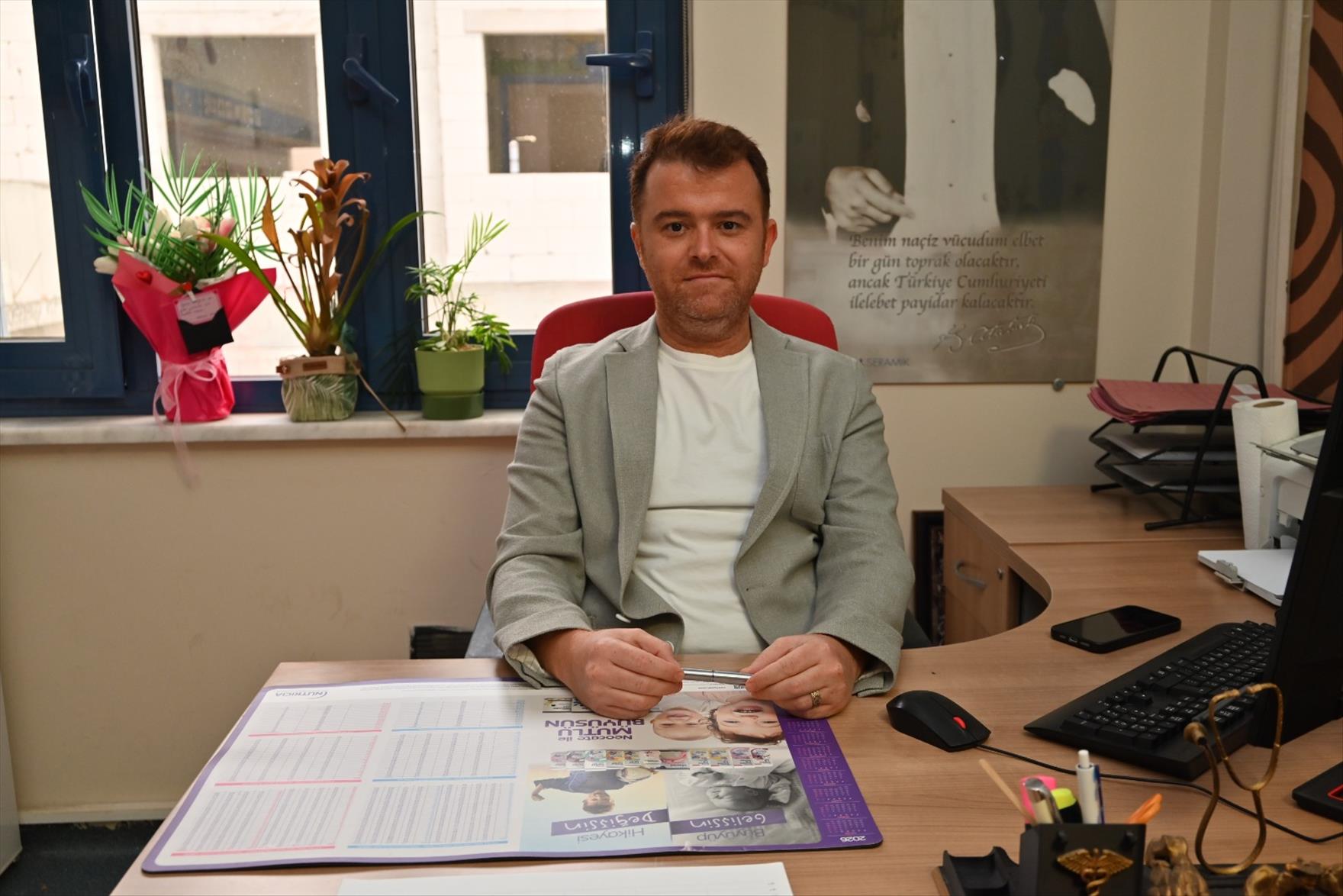
Assoc. Prof. Dr. Serkan Türkuçar, Head of the Division of Pediatric Rheumatology at PAU Hospitals: “The growth and development period of school-age children also lays the foundation for the health of their skeletal system in later life. As the excitement of the new school year fills schools, the loads carried on the backs of young students are also increasing day by day. Unfortunately, however, increasingly heavy textbooks, technological devices, and poor posture habits in daily life have been contributing not only to back, neck, and shoulder pain in children but also to permanent skeletal problems. As families, we are at a critical stage when we need to pay close attention not only to our children’s academic success but also to their physical health. The developing spine of a child is highly sensitive to external factors. Carrying backpacks weighing several kilograms on one shoulder or repeatedly placing the load on the same side for years can disrupt the body’s natural center of balance. To compensate for this heavy load, children may unconsciously lean forward or bend their torso to one side. Over time, this can lead to sideways curvature of the spine, scoliosis-like conditions, chronic tension in the neck and back muscles, uneven shoulder levels, and an increased risk of herniated discs in later years.
The Secrets of Choosing and Using the Right School Backpack
Preventing these risks starts with choosing the right backpack. The first rule is weight: The backpack, when fully loaded, should never exceed 10 to 15 percent of the child’s body weight. For example, a child weighing 30 kilograms should carry a backpack weighing no more than three to four kilograms. When shopping for a backpack, ergonomic designs with two shoulder straps and thickly padded back and shoulder areas should be preferred over wheeled or pull-along models. When packing the backpack, the heaviest books should be placed in the compartment closest to the child’s back, while lighter items should be placed in the outer pockets. Most importantly, children should be encouraged to give up the ‘cool’ one-shoulder style and make sure that the load is distributed evenly across both shoulders.”**
Assoc. Prof. Dr. Serkan Türkuçar: “Don’t Put Heavy Loads on Little Shoulders!”
Noting that another major threat to spinal health is poor sitting posture at school and at home, Assoc. Prof. Dr. Türkuçar said that studying for long periods while hunched forward, leaning the chest against the desk, or spending a large part of the day looking down at phones and tablet screens places significant strain on the muscles. Assoc. Prof. Dr. Türkuçar continued: “In an ideal sitting position, the chair should fully support the child’s back, the feet should rest flat on the floor, and the knees should be at a 90-degree angle. Likewise, digital screens should be kept at eye level, and short breaks should always be taken during prolonged periods of sitting. Simple and fun exercises that can be done at home are also highly effective for strengthening children’s muscles and maintaining good posture without the need for a home gym. For example, to relax the back and shoulder muscles, exercises such as lying on the stomach, clasping the hands behind the neck, and gently lifting the upper body (the cat-cow stretch), or lying on the back and performing a bridge, are both enjoyable and help strengthen the muscles around the spine. Even simply raising their arms and taking deep breaths in and out in the evening can greatly help children who spend their days at a desk relax their muscles. Let us remember that good posture and healthy spinal habits are developed primarily during childhood. For the healthy tomorrows of our little ones and their strong, upright spines, let us work together with care and awareness to lighten the physical burdens they carry on their shoulders.”