
PAU Hospitals Call for Increased Awareness of Iodine Deficiency
Prof. Dr. Semin Melahat Fenkci, Head of the Division of Endocrinology and Metabolism at Pamukkale University (PAU) Hospitals, highlighted the health effects of iodine deficiency and provided information on the importance of adequate iodine intake.
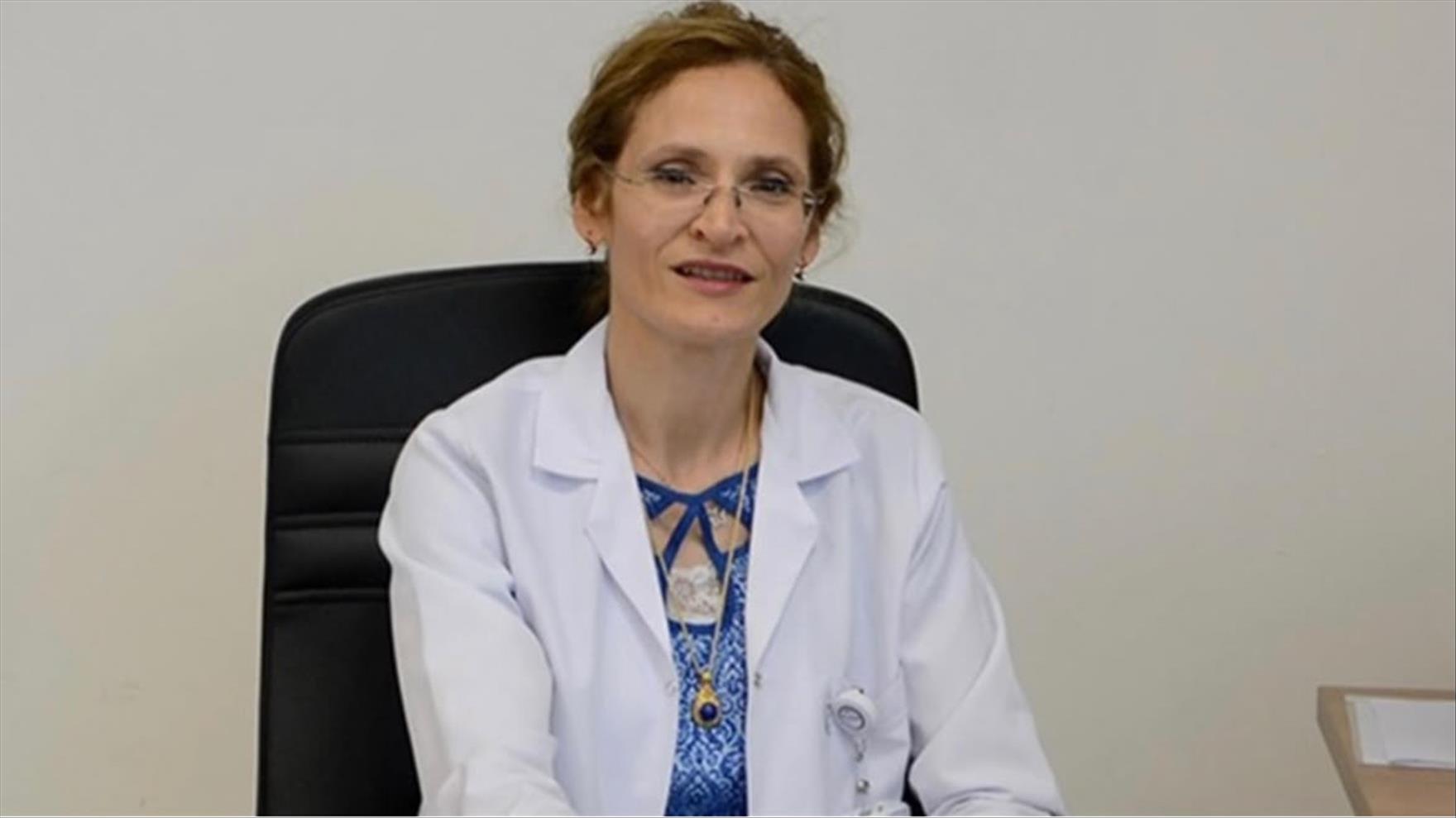
In her statement, Prof. Dr. Semin Melahat Fenkci, Head of the Division of Endocrinology and Metabolism at PAU Hospitals, said: “Iodine deficiency remains a major health problem worldwide. Iodine, which is essential for the production of thyroid hormones, plays an important role in growth, development, brain function, and the healthy functioning of the nervous system. Meeting the increased need for iodine, particularly during pregnancy and childhood, is of great importance for maternal and child health.
Iodine requirements vary according to age and physiological status. However, the need for iodine increases during pregnancy and childhood, when growth is rapid. Thyroid hormones cannot be synthesized without iodine. Inorganic iodine, obtained in small amounts from food in nature, is converted into an organic form and used in hormone production.
Thyroid hormones and, consequently, iodine are essential for the development of pregnancy and its healthy continuation in the womb. During the first 18 weeks, the fetus cannot produce its own hormones, so the mother must provide sufficient hormones to support the baby. To ensure that the baby's hormonal needs are met, the mother's increased iodine requirements must be fulfilled.
The first three months of pregnancy are when the organs, and particularly the nervous system, begin to form. Insufficient iodine intake during this period leads to inadequate thyroid hormone production. The serious iodine deficiency responsible for conditions in children born with congenital hearing and vision defects and intellectual disabilities is known as cretinism. For this reason, preventing iodine deficiency is regarded as a public health issue worldwide. Countries have attempted to address this problem by iodizing certain foods. Despite these efforts, iodine deficiency remains a serious global health concern.
Balance Is Essential in Iodine Intake; Both Deficiency and Excess Pose Risks.
Noting that iodine deficiency can cause enlargement of the thyroid gland and the development of goiter, Fenkci continued: “During pregnancy, iodine deficiency can lead to miscarriage, stillbirth, and certain congenital problems. It can negatively affect mental and physical development during childhood and adolescence. In adults, goiter, hypothyroidism, and impaired cognitive function may occur.
Although the importance of iodine deficiency has become better understood worldwide thanks to salt iodization, iodine deficiency remains one of the most common micronutrient deficiencies, affecting approximately 25–40% of the global population. For this reason, efforts were made in the early 20th century to address the problem by adding iodine to foods. Salt iodization, in particular, became a major focus. In 2022, 126 countries adopted mandatory salt iodization, while 21 countries adopted voluntary salt iodization.
In Türkiye, an iodine map was developed in 1999 under the leadership of Prof. Dr. M. Faik Erdoğan, and salt iodization was introduced that same year with the approval of the Ministry of Health. It is particularly important to add salt toward the end of cooking and store it in containers protected from light.
The importance of iodine supplementation during pregnancy has also frequently been emphasized in public awareness efforts. However, as with anything, improper use can occur. Particularly during the pandemic, the uninformed use of high doses of iodine because of its disinfectant properties increased the risk of both hypothyroidism and hyperthyroidism.
What matters is informing the public accurately through information based on sound scientific evidence. Nevertheless, iodine deficiency continues to be recognized as a public health problem and remains one of the leading causes of preventable intellectual disability.”