
Warning from PAU Hospitals on Permanent Nail Polish and Artificial Nails
Professor Ahmet Metin, Head of the Department of Dermatology and Venereal Diseases at Pamukkale University (PAU) Hospitals, made important statements, noting that artificial nail and permanent nail polish applications, which have become increasingly widespread in recent years, may lead to serious problems regarding nail health.
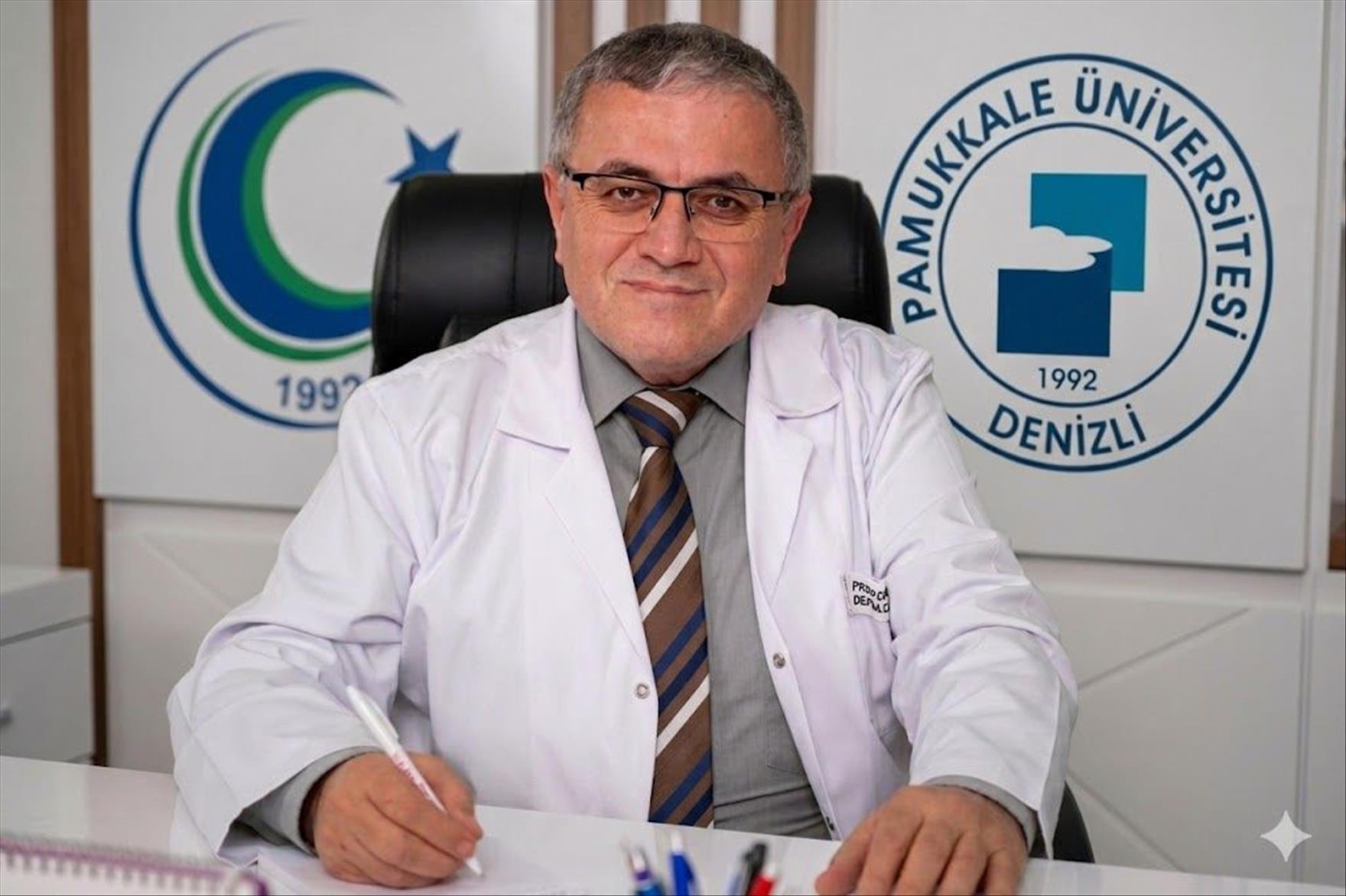
Professor Ahmet Metin, Head of the Department of Dermatology and Venereal Diseases at PAU Hospitals, made the following statements: “While the perception of beauty is rapidly changing today, nail care is no longer merely a small part of personal care. As a dermatologist, I have observed one thing very clearly, especially in recent years. People often confuse looking well-groomed with being healthy. However, our nails are not merely an aesthetic detail. Nails are living structures that protect our fingertips, facilitate our fine motor movements, and also provide important clues about our overall health. As dermatologists, we can sometimes identify many conditions simply by looking at the nails, ranging from anemia and respiratory system diseases to nutritional deficiencies and infections. Therefore, constantly covering the nails with cosmetic products may cause important signals given by the body to be overlooked. In society, long, shiny, and flawless nails are often presented as an indicator of health, youth, and good appearance. However, unfortunately, one of the most common mistakes we encounter is cutting the cuticles during manicure procedures. People think this is an aesthetic application, but the structure we call the cuticle is actually a natural barrier that protects the nail from infections. Cutting or aggressively pushing this area creates a basis for bacteria, fungi, and viruses to enter. As a result, painful infections, fungal infections, and permanent nail disorders may occur. Especially in salons where hygiene conditions are insufficient, serious diseases such as warts, herpes infections, fungal infections, and even hepatitis may be transmitted through unsterilized instruments. Therefore, placing hygiene in the background for the sake of aesthetic concerns is extremely dangerous.”
Prof. Dr. Ahmet Metin: “Even beneath the brightest nail polish, serious health problems may sometimes be hidden.”
Referring to another important issue, Prof. Dr. Ahmet Metin stated that social media creates pressure, especially on young people, to appear flawless. He said that excessively long artificial nails, complex designs, and constantly changing trends seen on social media platforms push young people toward uncontrolled cosmetic procedures performed at home. Prof. Dr. Metin emphasized that gel and acrylic kits, which can easily be purchased online, may lead to serious dermatological problems when used unconsciously, and that chemicals such as acrylates and methacrylates contained in these products can cause very strong allergic reactions when they come into contact with the skin before fully hardening.
Prof. Dr. Metin continued his remarks as follows: “Our patients come to us not only with problems on their fingers but also with severe eczema on their eyelids, necks, and faces because they touch their faces with their hands. In recent years, we have observed a serious increase in cases of allergic eczema related to cosmetic products. UV lamps used in permanent nail polish and gel nail applications are also not harmless. Although the risk of a single application is low, frequent repetition of these procedures may accelerate skin aging and lead to cumulative damage over time. In addition, long artificial nails may continuously apply pressure on the natural nail, causing it to separate from the nail bed. Bacteria and fungi can easily multiply in this gap. Bacterial infections, especially those presenting with green discoloration, are quite common. In dermatology practice, we also observe that in some individuals, nail biting or picking at the skin around the nails is not merely a habit. This condition is often a physical manifestation of anxiety, stress, and psychological burdens. We approach this as a psychodermatological condition. In some cases, artificial nails or nail polish applications may provide support by creating a physical barrier for the individual. However, the real solution is to recognize the individual’s psychological burden and strengthen stress management. I especially want to give the following message to young people and families. Our body is a very valuable whole entrusted to us. While trying to shape it according to the perception of perfection imposed by social media, we should not put our health at risk. The best way to protect our nails is to respect their natural structure, pay attention to hygiene rules, and avoid unnecessary chemical exposure. Not cutting the cuticles, avoiding excessively long nails, choosing reliable centers, ensuring UV protection during procedures, and giving nails regular breaks are extremely important. If symptoms such as pain, discoloration, swelling, separation, or eczema are observed, a dermatology specialist should be consulted without delay.”