
Dean Bertan: “162 Local Delicacies Identified in Denizli Province”
Pamukkale University (PAU) Faculty of Tourism Dean Prof. Dr. Serkan Bertan stated that, as a result of the research identifying 162 local delicacies in Denizli province, it was determined that geographical features, lifestyles, working life, economic sources of livelihood, seasons, climate, and agricultural products have an impact on the 162 local foods found on tables.
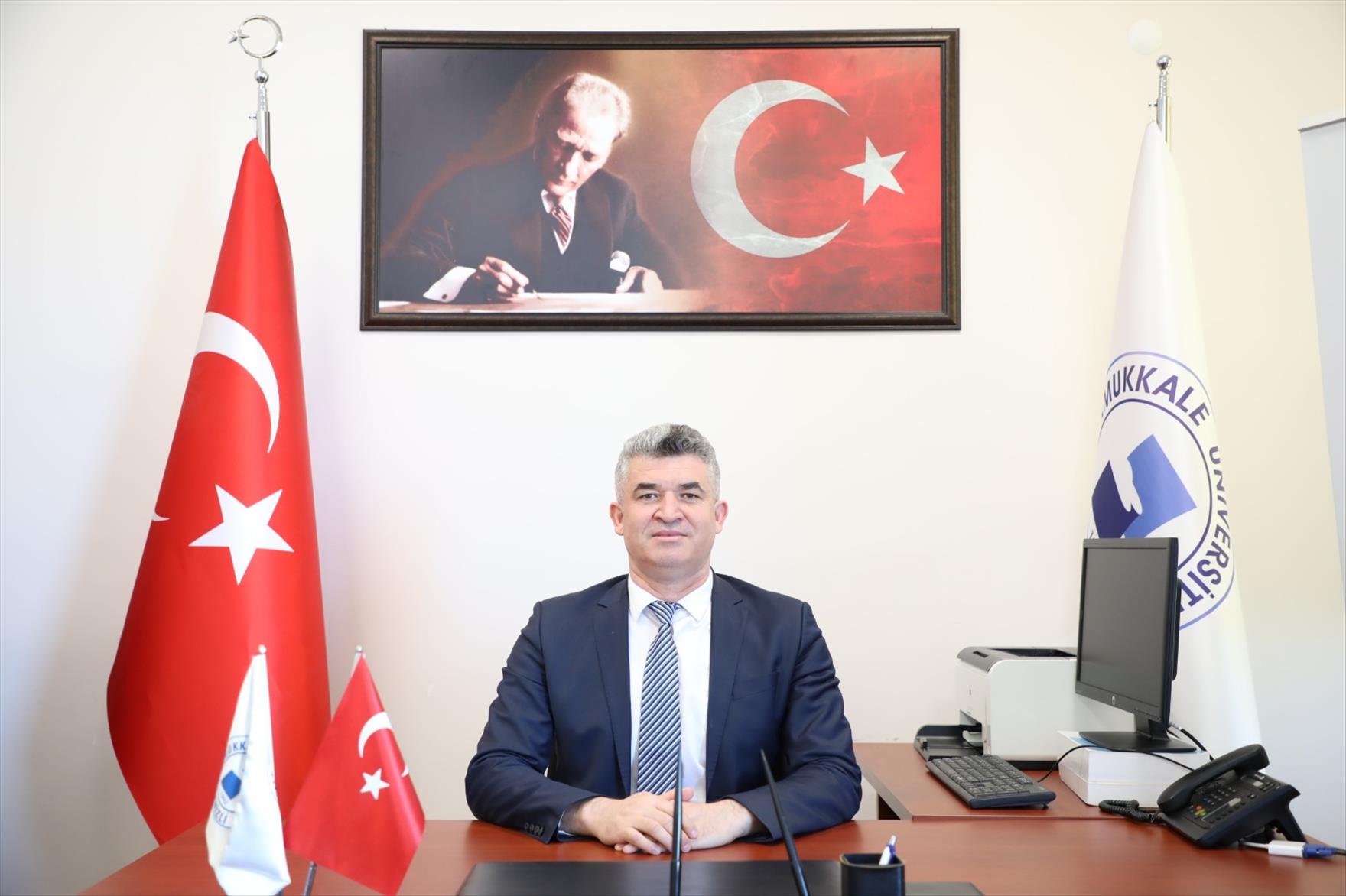
Within the scope of the Denizli Gastronomy Tourism Road Map study, Dean Bertan also stated that in Denizli cuisine, natural and seasonal products grown in the region are used, yufka is preferred, filling flavors are consumed in the morning as breakfast is the most important meal, and easily digestible meals are preferred in the evening. He emphasized that tables containing local delicacies, which are among the most important reflections of cultural value accumulation shaped according to Denizli’s geographical structure, reflect the spirit of sharing, cohesion, and solidarity.
Dean Bertan listed the actions to be taken to ensure the branding of Denizli cuisine as follows:
The Denizli gastronomy map should be distributed free of charge in printed form. https://www.pau.edu.tr/turizm, MiniaGastroDenizli should be created to introduce Denizli Cuisine district by district, festivals should be organized to transfer the recipes of the delicacies included in the Denizli gastronomy map and to promote Denizli cuisine (Leblebi Festival, Cherry Blossom Festival, Tarhana Festival…), QR-coded signage should be installed for artificial intelligence-based gastronomy tourism and digital QR-coded information panels should be placed for each touristic value, The Local Delicacies Route should be signposted: (Karahöyük Bread, Keşkek, Etli Gevrek, Buldan Simit, Dry Beans, Stuffed Fish with Teeth, Pepper Tatar, Soda, Denizli Tandır Kebab, Semolina Halva, Leblebi, Stuffed-Nonstuffed Tahini Pide, Tavas Baklava, Spoon Halva), QR-coded signs should be installed for the Çal Vineyard Route.
QR-coded signs should be installed for the values on the geographically indicated products route. Babadağ Thyme Honey, Buldan Chestnut, Denizli Thyme, Denizli Çalkarası Grape/Denizli Çalkarası, Honaz Cherry, Kale Pepper, Çameli Beans, İsabey Seedless Grape, Denizli Chickpea, Tavas Baklava, Tavas Burnt Sheep Yogurt, Acıpayam Melon, Avşar Grape (Karcı Karlı Syrup, Acıpayam Çakır Carrot, Alaaddin Tören Stew, Bozkurt Muhacir Bread, Denizli Karın Butter, Honaz Persimmon, Honaz Dried Persimmon, Çameli Walnut, Çameli Tray Pastry, Çameli Meneviş Yogurt Dish, Babadağ Keşkek, Babadağ Tail Fat Halva), QR-coded signs should be installed for the values located on the gastronomy route (Cankurtaran – Karataş - Pınarlık - Kızılcabölük - Vakıf - Tavas).
Values on the gastronomy route; (Karataş Gastronomy Park/Earth Market, Hanife and Ahmet Paralı Local Handicrafts and Textile Museum (Tavas), Vakıf (Tavas), Vineyard Market, Tavas Culture and Art House (Tavas Gastronomy Museum), Tavas Zeybeği, Tavas Yarengüme Women’s Initiative Production and Business Cooperative, Stuffed-Nonstuffed Tahini Pide, Tavas Burnt Sheep Yogurt (Bucket Yogurt), Tavas Stew, Spoon Halva, Tavas Baklava).
In Cankurtaran, Karataş, Pınarlık, and Kızılcabölük on the gastronomy route, sales points should be prepared for the sale of local products and offered free of charge to local people, Elmalı and Kızılcabölük villages should be named as Gastronomy Villages, Karataş Picnic Area on the gastronomy route should be renamed Karataş Gastropark Picnic Area, Earth Market where local producers offer their naturally and sustainably produced products directly to consumers and sales points for geographically indicated products should be established above Yunus Emre Park and workshop activities should be included.
For the Gastronomy Museum/House, KUDEP (Denizli House) / Osman Bey Mansion, İbrahim Çallı Art House, (Konyalıoğlu House (Blue House), Tavas Culture and Art House) should be evaluated. In the gastronomy museum/house, local dishes should be served by women’s cooperatives and information about them should be provided. In the Denizli gastronomy museum or gastronomy house, with prior reservation, the local dishes of a specific district should be prepared every day by women’s cooperative staff, gastronomy products should be presented together with their stories, courses should be given to revive nearly forgotten flavors, kitchen tools and equipment should be introduced. Experiential activities and local food workshops should be organized with the stories of the dishes. In cooking workshops, traditional recipes should be learned by doing and tasting.
Information from the study titled “Denizli Tandır Kebab as a Traditional Product in Denizli Gastronomy Tourism” regarding Denizli Tandır Kebab should be placed on tables via QR code and hung in visible places for guests. In addition, guiding signs about Denizli Tandır Kebab should be placed at city entrances.
An application should be made for geographically indicated products before the European Union (Buldan Chestnut, Denizli Thyme, Denizli Chickpea, Kale Pepper, Tavas Baklava, and Tavas Burnt Sheep Yogurt). In order to transfer our local products and craft traditions to future generations, to support producers in local development, and to promote our values worldwide, applications should be made for EU-registered geographical indication products for Top Tarhana, Karahöyük Bread, Pepper Tatar, Spoon Halva, Semolina Halva, Gelinardı, Etli Gevrek, Çağla Dövmesi, Bestel Dessert, Keş Kurusu, Garma Gatma, Çaput Aşı, Boiled Bean Dish, Three-Ear Dessert, Molivelli Pickle, Stuffed Tahini Pide, and Kar Syrup.
The Peynirciler Bazaar should be designed as a cultural experience center, Babadağlılar Bazaar should be reevaluated within shopping tourism, areas that promote Denizli culture should be created in the historical Kaleiçi Bazaar, and a local products bazaar where masters and performers are provided opportunities should be established.
The street going from Zahire Market to Bayramyeri Square should become Denizli Kebab Shops Bazaar / Local Products Street / Gastronomy Street.
Denizli Cuisine should be promoted at stops and billboards.
The Denizli Lezzet Festival initiated by Pamukkale University should be continued. In this festival, classic flavors unique to Denizli cuisine should be presented, and the story of a delicious journey to Denizli culture should be told. The Denizli Kebab recipe should be highlighted: https://dergipark.org.tr/tr/download/article-file/3833592
Local products should be supported within the scope of agro-tourism in terms of promotion and sales, agricultural production should be integrated with tourism, and farmer-tourist meetings and harvest festivals (Buldan Chestnut, Denizli Thyme, Denizli Çalkarası Grape/Denizli Çalkarası, Honaz Cherry, Kale Pepper, Çameli Beans, İsabey Seedless Grape, Acıpayam Melon, Acıpayam Çakır Carrot, Avşar Grape, Honaz Persimmon, Çameli Walnut) should be turned into applications.
In villages, an experience-based “Pick-your-own” model should be implemented.
To ensure integration of local products with tourism, support should be provided for packaging and branding of local products. The inclusion of local products on online shopping sites should be supported. For rural development, local administrations should focus on the “Come from the village, take and pay” model. Sales units for local products should be established in Bayramyeri Square and Yunus Emre Park.
Efforts should be supported to include the 162 local delicacies from the Denizli Gastronomy map in menus. Tasting menus featuring local dishes should be created in restaurants. Restaurants should be encouraged to purchase products from local producers and serve local products. Local dishes should be served at events.
The Denizli Gastronomy map and QR code should be added to the Denizli Cuisine section of the Denizli City Museum.
A Living Heritage Festival should be organized.
In the Denizli Gastronomy Competitions held within the scope of Turkish Cuisine Week, Denizli Chickpea in the first competition and Kale Pepper in the second competition were presented as geographically indicated products, and the sustainability of these competitions should be ensured.
The Denizli Cuisine Artificial Intelligence Chatbot Project, which aims to enhance Denizli’s tourism potential with artificial intelligence chatbot models and will be developed under the leadership of Prof. Dr. Serkan Bertan, should be supported.
In Denizli Cuisine breakfast, the following local flavors (Tarhana, Spicy Paste, Pastry, Millet Bread, Bazlama, Spinach Pastry, Tuluk Pastry, Bükme, Pepper Sauce, Pepper Paste, Pepper Salt, Pan Pastry, Pepper, Honey, Çemen, Cızlama, Walnut, Tomato, Potato, Dried Tomato, Tomato Sauce, Fried Tomato, Tomato Pepper Sauce, Spicy Tomato, Bezdirme, Peksimet, Plum Pastry, Marmalade, Karahöyük Bread, Poppy Paste, Sesame Paste, Corn Bread, Gömme, Yeastless Bread, Kömbe, Roasted Thyme (Sesame, Thyme, Walnut, Red Dried Pepper, Black Cumin), Katmer, Cream, Thyme, Keşlik, Dığan Katmer, Fried Items, Curd, Menemen, Cheese, Herb Dried Cheese, Goat Cheese, Dry Cheese, Molasses, Curd Cheese, Mixed Cheese, Walnut Curd, Thyme Curd, Tuluk Cheese, Leather Cheese, Boiled Potato, Jumping Potato, Molasses, Sesame and Walnut roasted in grape molasses, Grape Jam, Jam, Pelt, Roasted Eggplant, Pişi, Sürtme, Şibit, Buldan Simit, Tomato Paste with Walnut, Butter, Tail Fat, Tahini Pide, Dried Grape, Grape Köftesi, Milk, Yufka, Crispy Yufka with Milk, Egg, Yogurt, Yogurt Pastry, Greens, Cucumber, Tomato, Yogurt Dish, Olive, Olive Salad, Olive Cheese Paste, Tea, Olive Oil …) should be promoted in establishments. Local breakfast should be served at breakfast events.
In special days in Denizli Cuisine, establishments offering the following local dishes (Keşkek, Meat Potato Dish, Pepper Tatar, Bulgur Pilaf, (Meat) Okra, Cowpea Pastry, (Meat) Dry Beans, Meat Dish, Stew, Spicy Roast, Roast Dish, Waterless Cover, Cover, Stone Cover, Kaçamak, Keşkek, Stuffed Pumpkin, Meatball, Chickpea Dish, Katmer, Pumpkin Dessert, Molasses Chickpea Pumpkin, Köytü, Spoon Halva, Pelt, Stuffed Dry Shell, Stuffed Dry Eggplant-Pepper, Rice Soup, Pilaf, Potato Dish, Pişi, Pasta, (Meat) Onion Dish, Vine Leaf Wrap, Vermicelli Soup, Şura Stuffed, Şipit, Topalak, Yogurt Dish, Tomato Salad, Akıtma, Tray Dessert, Semolina Halva, Molasses Halva, Bulambaç/Bulmaç (Pelt), Grape Köhtüsü, Baklava, Kadayıf, Tenem Halva, Gölle, Baklava, Flour Halva, Sareli (Saraylı) Dessert, Bride Pickle, Tez Pickle, Haranı Pickle, Roasted Pickle, Boiled Pickle, Börtme Pickle, Compote, Sherbet, Komposto, Grape, Melon, Watermelon, Cacık, Molasses Halva, Ganile/Kanile, Çakalçömen, Gelinardı …) should be encouraged. These dishes should be served at events.
Kitchen tools and equipment used in Denizli cuisine (Bakraç, Bowl, Pot, Desti, Dığan, Mortar, Mortar Stone, Bread Baking Pan, Bread Dough Box, Sieve, Boiling Pot, Cauldron, Güp, Hapaz, Haran/Haranı, Pestle, Irbık, Nettle/Isran, İliştir, İlyen, Irbık, Hook, Frame, Boiling Equipment, Sieve, Kile, Jar, Rolling Pin, Three-legged Pan Stand, Tray, Table Cloth, Grinding Stone, Milk Container, Strainer, Skewer, Bowl, Tray, Yastıgeç/Yassıgeç, Rolling Pin, Wooden Spoon, Ladle) should be exhibited in the gastronomy museum/house and information should be provided.